

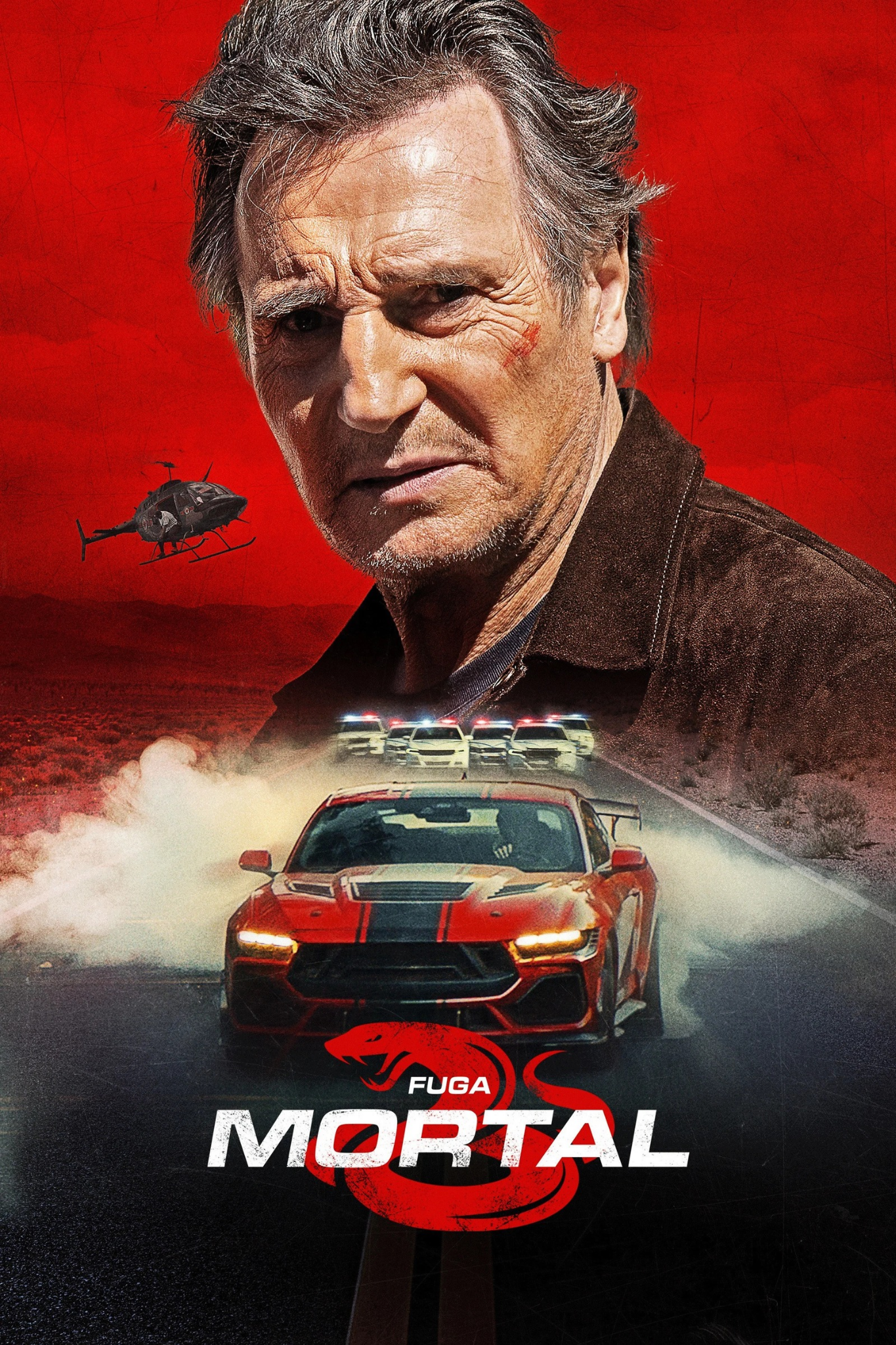
Fuga Mortal está longe da perfeição, mas encontra para a filmografia de Liam Neeson um refresco à obviedade de seus filmes mais recentes.
Desde Busca Implacável, Hollywood encontrou para Liam Neeson um tipo de personagem que, no decorrer dos últimos vinte anos, o ator vem reinterpretando incessantemente. É aquele típico homem de família, normalmente agente de forças de segurança, policial, detetive ou militar, que entra em uma jornada de vingança após ter seus entes queridos atacados. Ainda que os cenários possam variar, a base costuma se manter, ao ponto de brincarmos com a existência de um “universo cinematográfico Liam Neeson”. Nesse sentido, me pergunto bastante acerca das razões para envolver-se nesses filmes, geralmente genéricos – se por falta de opção ou apenas pelo dinheiro oferecido -, quando já demonstrou por diversas oportunidades ser muito capaz de interpretar outros tipos de personagem – de A Lista de Schindler, mais dramático, ao cômico em Corra que a Polícia Vêm Aí no ano passado, honrando o legado de Leslie Nielsen.
Quando entrei para Fuga Mortal, já esperava por algo no baixo nível de alguns longas anteriores, quando durante toda a primeira sequência o protagonista, vivido por Neeson, não saiu de dentro do carro. Até algumas memórias sombrias de Retribution voltaram a mente – neste longa, o personagem não sai de dentro de um veículo, e toda a ação se desenvolve fracamente no entorno de uma ameaça de bomba -, que tão logo se dissiparam a partir das primeiras sequências de perseguição, na qual o protagonista foge de policiais nas estradas do Arkansas, enquanto o major da polícia local deseja investigar as razões do crime cometido. ainda para nós tratado como um mistério.
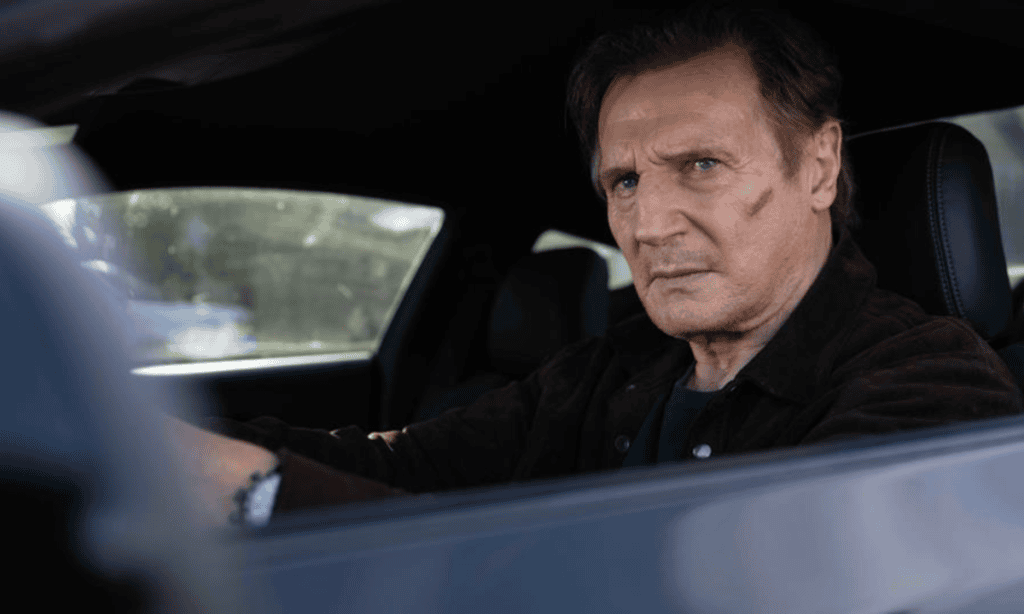
No decorrer de toda a primeira metade, a montagem assinada por Rodrigo Balart intercala três momentos distintos, que, a princípio, soam estranhos ao público, que cai de paraquedas em meio a uma história há muito já iniciada. Entre flashes da relação do protagonista com sua ex-esposa, vivida por Marisa Tomei, assistimos ao personagem no presente, em fuga dos policiais, relembrando de seu passado na Guerra do Iraque, há vinte anos, pelo qual se sente culpado ao não conseguir proteger um amigo. Essas memórias traumáticas também dividem espaço com o início de toda a confusão na qual se envolveu naquele dia, explicando, através de uma câmera imparcial, a razão da polícia o perseguir.
Talvez inicialmente a estruturação de Fuga Mortal se pareça um tanto confusa – até porque de fato é -, mas ao longo da narrativa a montagem desse quebra-cabeças, e a escolha por contar a história de maneira não linear, se justificam possivelmente como a forma mais inteligível de construir todo esse personagem relativamente complexo mantendo o tom de suspense vivo, e sem soar excessivamente explicativo ou artificial.
O medo do encarceramento se justifica mediante as memórias de um estresse pós-traumático durante a guerra, e um sentimento de culpa que carrega consigo há décadas por algo que não estava necessariamente sob seu controle. O companheirismo militar, como família, é defendido através da presença de seus companheiros – um deles interpretado por Ving Rhames -, e outras pessoas que encontra pelo caminho, em uma história de fuga tão inacreditável naquele universo que recebe até mesmo acompanhamento midiático, e pessoas dispostas a se compadecer de um homem que, no fundo, mal conhecem, senão por seu histórico militar noticiado na televisão. Nesses termos, acaba reproduzindo, mesmo que sem um olhar crítico, um comportamento muito comum ao ser humano de envolver-se em histórias, e sair em defesa de pessoas sem sequer conhecer o contexto geral do assunto. Por sorte, Ryan, o personagem de Neeson, é de fato um sujeito decente em uma situação ingrata, mas que poderia não ser o caso.
Chega a ser até interessante a forma como o roteiro de Thompson Evans não elege heróis ou vilões, na contramão tradicional do cinema de ação. No decorrer da jornada, até existem figuras antagônicas que se aproximam de características vilanescas, como o violento e obstinado major texano, em uma caricatura ao próprio Estado conservador e punitivista, que não ultrapassa, porém, a linha do Direito, apesar das críticas ao uso excessivo de força.
Por outro lado, esse mesmo roteiro bem-intencionado por vezes também abusa da boa vontade do espectador, a partir do excesso de conveniências que sustentam o desenrolar da narrativa. Toda a presença da inteligência artificial no carro pilotado pelo protagonista, por exemplo, e seu auxílio para a fuga apenas são possíveis em razão de uma completa ausência de ética tecnológica, de tal maneira que derruba o rastreamento de ligações telefônicas e do próprio veículo com enorme facilidade. O mesmo vale também ao posicionamento dos agentes policiais, e das reações letárgicas de parte deles em suas estratégias assumidamente falhas. Mesmo que consiga divertir-me com essa falta de realismo, que beira o fantasioso diante de tamanhos absurdos, eventualmente pode cansar pela falta de criatividade em buscar por soluções mais críveis a problemas criados pelo próprio filme.
A direção de Mark Vanselow encampa essas fantasias seletivas e busca explorar as sequências de ação da melhor maneira possível. Ainda que boa parte destas aconteça em perseguições automobilísticas, resta demonstrado uma consciência ao diretor em relação à idade de Liam Neeson, e algumas naturais limitações corporais em suas coreografias. Mesmo que a montagem recorra a lutas bastante picotadas, estas funcionam bem em sua articulação, e diante da decupagem cuidadosa aumentam a tensão sem chegar à incompreensão, como via de regra aconteceu em outros filmes recentes do ator.

Então, Fuga Mortal está longe de reinventar a roda, e tampouco encontra grande destaque dentro do cinema de ação, mas considerando a filmografia recente de Liam Neeson, se apresenta como um bom exemplar, justamente pelo cuidado de sua produção em trilhar caminhos menos óbvios. O longa coloca temáticas interessantes sob a mesa para discussão, e a direção do estreante Mark Vanselow, após longa carreira como dublê, reforça uma preocupação com a construção da ação que ajuda o projeto a se distinguir e, especialmente, entreter. Para um filme com orçamento modesto protagonizado por Neeson, consegue um destaque positivo por sair das histórias óbvias que acostumou-se a interpretar.
Fuga Mortal está em cartaz nos cinemas norte-americanos. No Brasil, chega no dia 04 de novembro ao catálogo do Prime Video.
English review
The Mongoose is far from perfect, but it provides a refreshing departure from the obviousness of Liam Neeson’s most recent films.
Ever since Taken, Hollywood has found a particular type of character for Liam Neeson, one that the actor has been reinterpreting incessantly over the past twenty years. He is the typical family man, usually an agent of law enforcement, police officer, detective, or military personnel, who embarks on a journey of revenge after his loved ones are attacked. Although the settings may vary, the foundation usually remains the same, to the point that we joke about the existence of a “Liam Neeson cinematic universe.” In this regard, I often find myself wondering about the reasons behind his involvement in these films, which are generally generic – whether due to a lack of options or simply because of the money offered – when he has demonstrated on numerous occasions that he is perfectly capable of portraying other types of characters, from the more dramatic role in Schindler’s List to the comedic one in last year’s The Naked Gun, honoring Leslie Nielsen’s legacy.
When I walked into The Mongoose, I was already expecting something on the low level of some of his previous features, as the protagonist, played by Neeson, remained inside his car throughout the entire opening sequence. Even some dark memories of Retribution came to mind – in that film, the character never leaves his vehicle, and all the action unfolds rather poorly around a bomb threat – but those thoughts soon faded with the first chase sequences, in which the protagonist flees from police officers along the roads of Arkansas, while the local police major wants to investigate the reasons behind the crime he committed, still presented to us as a mystery.
Throughout the entire first half, the editing by Rodrigo Balart alternates between three distinct moments, which initially feel strange to the audience, who are dropped into the middle of a story that has already been underway for quite some time. Between flashes of the protagonist’s relationship with his ex-wife, played by Marisa Tomei, we watch the character in the present, fleeing the police, while recalling his past in the Iraq War, twenty years earlier, where he feels guilty for having failed to protect a friend. These traumatic memories also share space with the beginning of the entire mess he became involved in that day, explaining, through an impartial camera, why the police are pursuing him.
Perhaps the structure of The Mongoose initially feels somewhat confusing – because, indeed, it is – but as the narrative progresses, the assembly of this puzzle and the decision to tell the story in a nonlinear fashion become justified, possibly as the most intelligible way of developing this relatively complex character while keeping the suspense alive, without sounding excessively explanatory or artificial.
His fear of imprisonment is justified by memories of post-traumatic stress during the war and a sense of guilt he has carried with him for decades over something that was not necessarily within his control. Military camaraderie, as a form of family, is defended through the presence of his fellow soldiers – one of them played by Ving Rhames – and other people he encounters along the way, in a flight story so unbelievable within that universe that it even receives media coverage, with people willing to sympathize with a man they barely know, beyond the military background reported on television. In these terms, the film ends up reproducing, even without a critical perspective, a very common human behavior of becoming involved in stories and defending people without even knowing the broader context of the situation. Fortunately, Neeson’s character, Ryan, is indeed a decent man caught in an unfortunate situation, but that might not necessarily have been the case.
It is even interesting how Thompson Evans’s screenplay does not establish heroes or villains, going against the traditional approach of action cinema. Throughout the journey, there are indeed antagonistic figures who approach villainous characteristics, such as the violent and obstinate Texan major, a caricature of the conservative and punitive State itself, who nevertheless does not cross the boundaries of the law, despite the criticism directed at the excessive use of force.
On the other hand, this same well-intentioned screenplay sometimes also takes advantage of the audience’s goodwill through an excess of convenient circumstances that sustain the development of the narrative. The entire presence of artificial intelligence in the car driven by the protagonist, for example, and its assistance in his escape, are only possible because of a complete absence of technological ethics, allowing it to disrupt the tracking of phone calls and the vehicle itself with tremendous ease. The same applies to the positioning of the police officers and the lethargic reactions of some of them to their admittedly flawed strategies. Although I can have fun with this lack of realism, which borders on fantasy given such absurdities, it can eventually become tiresome due to the lack of creativity in finding more believable solutions to problems created by the film itself.
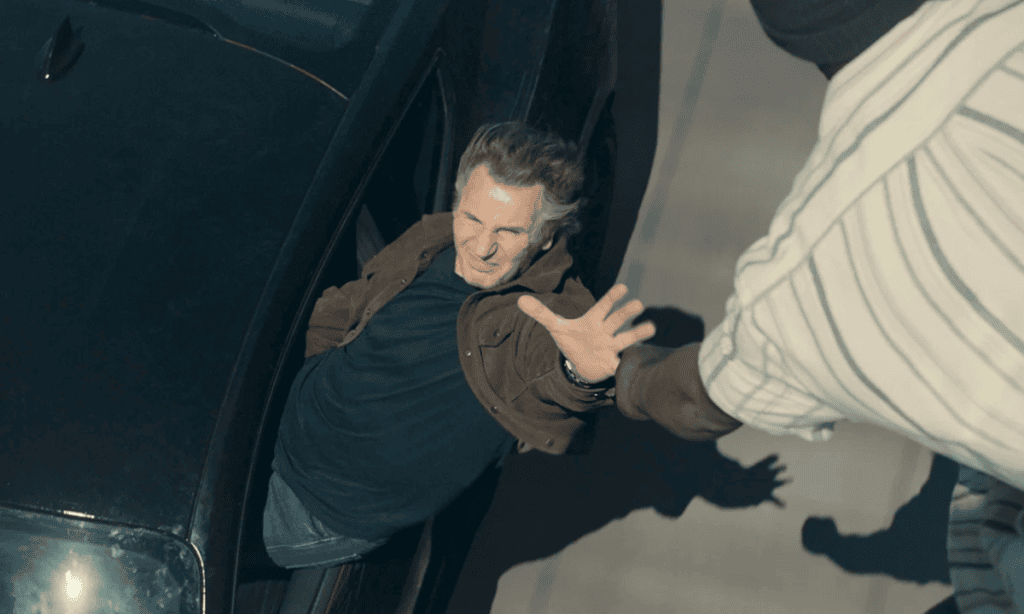
Mark Vanselow’s direction embraces these selective fantasies and seeks to explore the action sequences in the best possible way. Although many of them take place during car chases, the director demonstrates an awareness of Liam Neeson’s age and the natural physical limitations involved in his fight choreography. Even when the editing resorts to heavily fragmented fight scenes, they work well in their arrangement, and, thanks to careful staging, they increase the tension without becoming incomprehensible, as has often been the case in other recent films starring the actor.
Thus, The Mongoose is far from reinventing the wheel, nor does it stand out particularly within action cinema, but considering Liam Neeson’s recent filmography, it presents itself as a good example of the genre, precisely because of the care taken by its production to follow less obvious paths. The film brings interesting themes to the table for discussion, and the direction of newcomer Mark Vanselow, following a long career as a stunt performer, reinforces a concern with the construction of action that helps the project distinguish itself and, above all, entertain. For a modestly budgeted film starring Neeson, it manages to stand out positively by moving away from the obvious stories he has become accustomed to portraying.
The Mongoose is currently showing in North American cinemas.

Crítico de cinema desde 2019. Formado em crítica de cinema pela Academia Internacional de Cinema (2020), e aluno do Clube do Crítico desde 2021, é criador do Cineolhar e colaborador do Cinema com Crítica.