
O eco de um mito que já havia acabado
Crítica em português
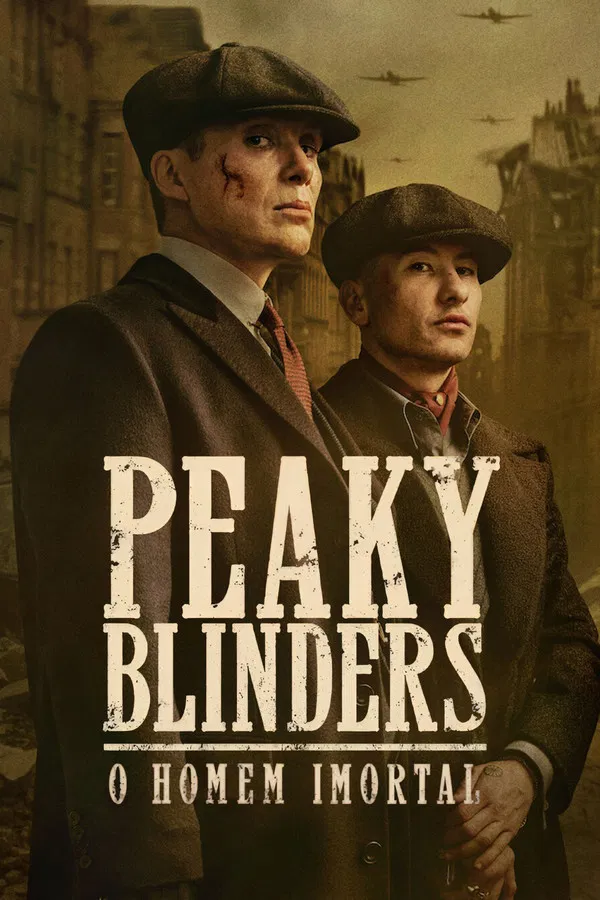
Há algo inevitavelmente trágico e melancólico em Peaky Blinders: O Homem Imortal, o filme que finaliza o arco de histórias da série criada por Steven Knight em 2013, e que caiu na graça do público brasileiro durante a pandemia. A tragédia ou melancolia não está no que o filme encena, mas no que representa: a tentativa de extrair a última gota de uma história que já havia encontrado o ponto final.
Desde o começo, e adianto ser impossível dissociar minha percepção da interpretação de conteúdos compartilhados nas redes sociais, a trajetória de Thomas Shelby sempre foi marcada por uma contradição. Uma que está presente em histórias de gangsteres, e filmes de crime de modo geral: Thomas, os irmãos e agregados eram violentos, cruéis, moldados por traumas e guerras, e que tentam justificar o seu comportamento através de um código de ética frágil, mas eficaz o bastante para aparentar honra e algum valor. Ao longo da série estendida por 6 temporadas, esse código mostrou ser insuficiente ou incapaz de conter a violência que definia o bando. A violência apenas tornava Thomas refém dela mesma, enquanto a família, os amigos (ou “amigos”) e amores definhavam – literal ou metaforicamente – enquanto permaneciam gravitando a órbita do ‘poderoso’ chefão que dava as cartas… by the orders of the Peaky Blinders.
O maior problema de Peaky Blinders, enquanto fenômeno cultural, nunca esteve ligado à sua narrativa. Claro, as histórias estenderam-se para além do desejo artístico, para o comércio, de um jeito que Hollywood e afins sabem fazer muito bem. O problema está em parte do público que passou a encarar nos personagens calejados, transtornados, o modelo de comportamento ou o arquétipo de uma forma de masculinidade idealizada, não muito distante do modelo apadrinhado pelos Corleone de O Poderoso Chefão. Não faltaram na linha do tempo das redes sociais artes, memes ou “conteúdos” valorizando traços bastante problemáticos e equivocados dos personagens. Isto alimenta um olhar enviesado para a série, um que a celebra pela atitude e ambição de Thomas, ignorando a trilha de destruição que deixa no seu caminho.
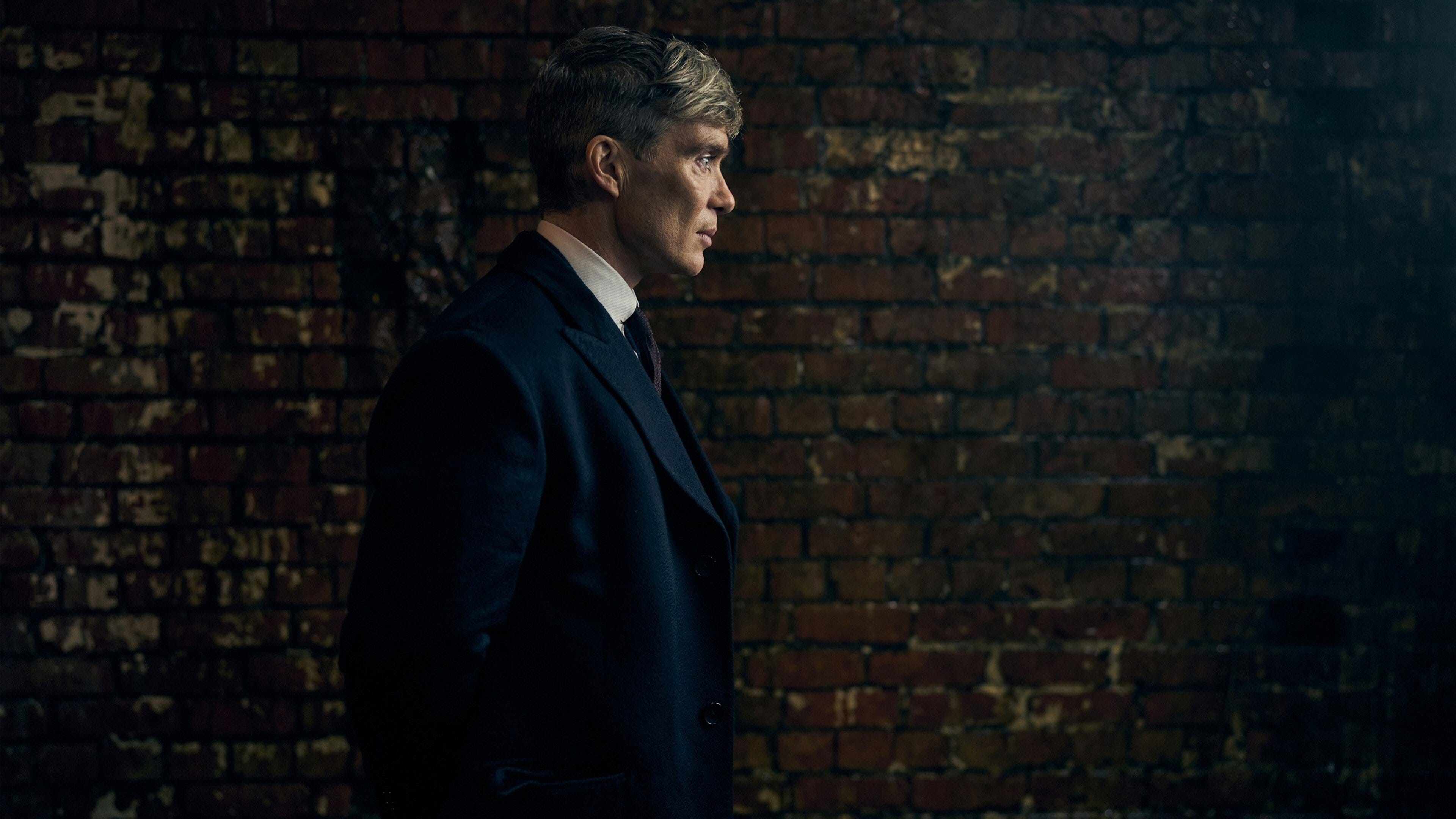
E quando a série avançou em suas temporadas finais, ao menos desde a 4ª temporada, já era possível perceber uma estrutura desgastada. A cada novo obstáculo, tornava-se menos claro o que Thomas Shelby desejava, e não só como líder, mas como indivíduo, lutando contra inimigos que não compartilhavam seu código de ética ou seus valores, enquanto tentava manter acesa a chama de uma humanidade falida. O que restava era a iconografia: a figura imponente de Cillian Murphy – e convenhamos, um ator menos qualificado teria afundado a série rapidamente -, os enquadramentos estilizados, e as frases de efeito repetidas até se tornarem mantras e, claro, a trilha sonora que ajudava a sustentar essa aura de grandeza (Nick Cave ainda ressoa na minha cabeça).
Este O Homem Imortal se apoia justamente no resíduo do ícone. Embora, inicialmente, pareça haver uma promessa de um filme diferente: um Tommy misantrópico, somente na companhia de Johnny Dogs (Packy Lee), que é quem assume os afazeres domésticos e diários, enquanto se dedica a escrever a sua história. Um gesto que, narrativamente, é bastante preguiçoso em anunciar 1) a ideia de um ícone, 2) um nascido, desenvolvido e encerrado através de suas próprias mãos – então ninguém tem direito de contar a sua versão que não o próprio -, e 3) o desfecho da narrativa.
O que é lamentável, já que a direção de arte de Jacqueline Abrahams, é eficiente em estabelecer uma atmosfera erma de um homem consumido por muitos fantasmas, traumas e superstições. É um cenário que, juntamente com a direção de fotografia de George Steel, explora a iluminação precária, as sombras invasivas, o enclausuramento e o desamparo no retrato do estado em que está Thomas. Tudo é abandonado após ter que retornar a Birmingham para se conectar com o filho Duke (Barry Keoghan), a duas decisões de abrir as portas sombrias de seu destino. Duke é uma versão remissiva, em termos de fisionomia, mas não de ética: além de furtar de hospitais a morfina vendida ou de vilipendiar a fábrica recém atingida por bombas alemãs, considera aliar-se aos nazistas ingleses (“O mundo não se importa comigo, eu não me importo com o mundo”).
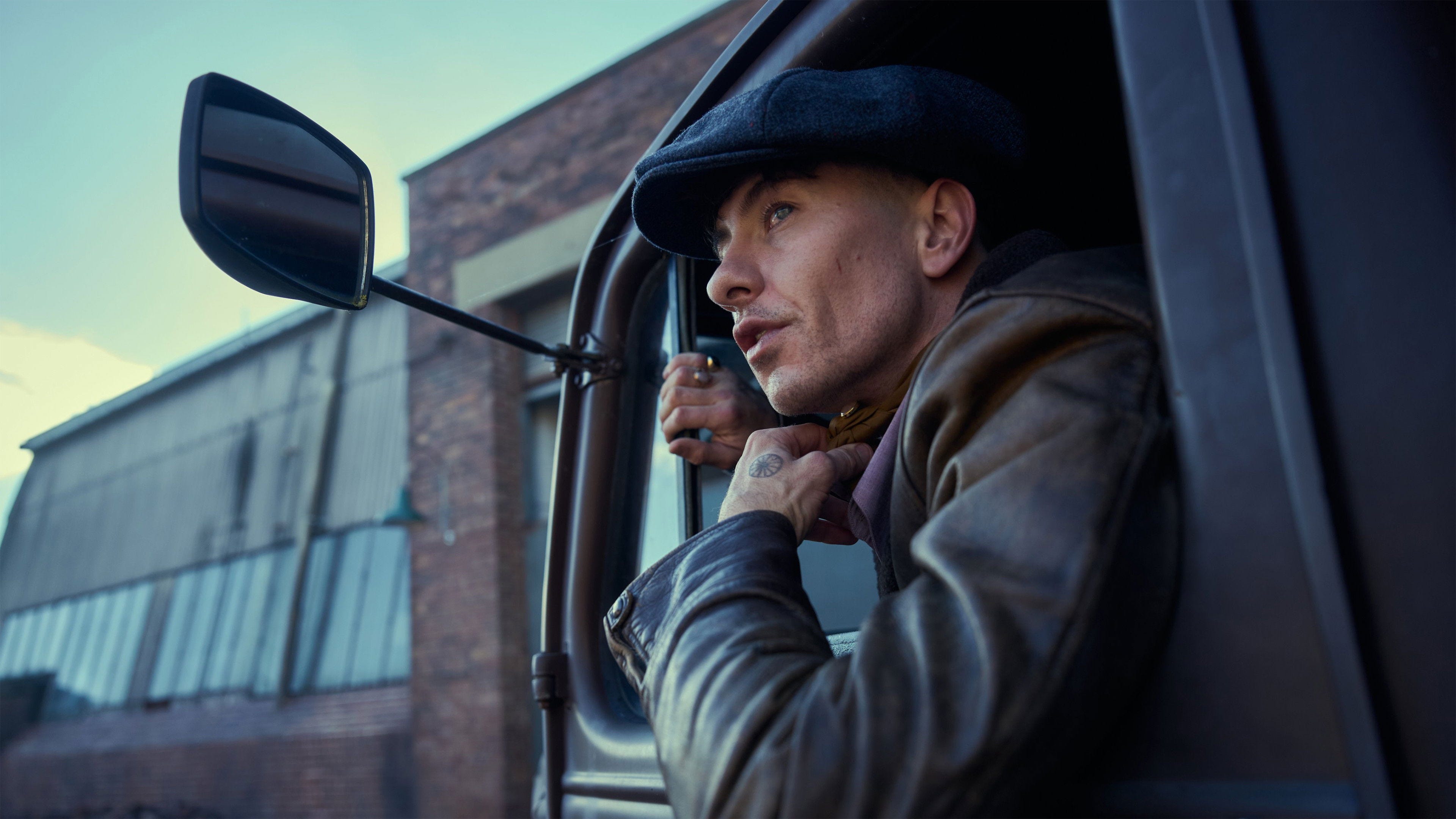
O encontro entre pai e filho poderia até ser o eixo dramático necessário para o fim da história de Thomas, mas o roteiro toma decisões simplificadas e diálogos rasteiros, ex. a luta em um chiqueiro e o instante em que John (Tim Roth) explora a lacuna paterna, a fim de seduzir Duke, que reduz o potencial emocional do conflito insinuado. No fim, a relação pai e filho é mais dispositivo narrativo para tirar Thomas do apático destino, e dar-lhe um momento de glória derradeiro contra John, que representa o fascismo na narrativa, já que Oswald Mosley, o personagem vivido por Sam Claflin, não retornou à conclusão.
Aliás, há semelhanças com 007 – Sem Tempo para Morrer, na decisão de encerrar o arco de uma trajetória icônica (embora a de Thomas empalideça diante da criação maior de Ian Fleming) com um antagonista mal e inexpressivamente desenvolvido. E nem vale comparar Tim Roth com Rami Malek: o talento do primeiro engole o do último, mas é que a figura do vilão não está à altura do mito que desafia. O resultado é um filme que recorre àquilo que funcionou antes. A imagem de Tommy Shelby caminhando ao som de Nick Cave retorna, mas agora esvaziada de significado, senão a melancolia de uma cena que não entende bem o que aquele sujeito de fato representa.
Nenhum dos personagens introduzidos ou desenvolvidos adiciona algum tempero que haviam sido perdidos nas temporadas passadas, muito menos os personagens de antes ou Thomas conseguem sobreviver senão a partir da lembrança de quem foram um dia. O Homem Imortal é só o prolongamento (comercialmente compreensível mas narrativamente inepto) de um fim já ensaiado muitas vezes e executado como o mero protocolo que é.
O filme está disponível no catálogo da Netflix.
English review
There is something inevitably tragic and melancholic about Peaky Blinders: The Immortal Man, the film that concludes the narrative arc of the series created by Steven Knight in 2013, which found a particularly strong audience in Brazil during the pandemic. The tragedy or melancholy does not lie in what the film depicts, but in what it represents: the attempt to extract the last drop from a story that had already reached its endpoint.
From the very beginning, and I must admit it is impossible to dissociate my perception from the interpretations shaped by social media, Thomas Shelby’s trajectory has always been marked by contradiction. One that is common in gangster stories and crime films in general: Thomas, his brothers, and associates are violent, cruel men, shaped by trauma and war, who attempt to justify their behavior through a fragile code of ethics, yet one effective enough to simulate honor and a sense of value.
Throughout the six-season run of the series, this code proved insufficient, incapable of containing the very violence that defined the group. Violence only turned Thomas into its own captive, while family, friends (or “friends”), and lovers withered, literally or metaphorically, as they remained trapped in the orbit of the ‘powerful’ boss who called the shots… by the orders of the Peaky Blinders.
The biggest issue with Peaky Blinders as a cultural phenomenon has never been its narrative. Of course, its storylines extended beyond artistic necessity into commercial territory, in the way Hollywood and similar industries have long mastered. The problem lies in a portion of the audience that began to see in these hardened and disturbed characters a model of behavior or an archetype of an idealized masculinity not unlike the one embodied by the Corleone family in The Godfather. Social media timelines were flooded with images, memes, and “content” celebrating traits that are, at their core, deeply problematic and misguided. This fosters a skewed reading of the series — one that glorifies Thomas’s attitude and ambition while ignoring the trail of destruction he leaves behind.
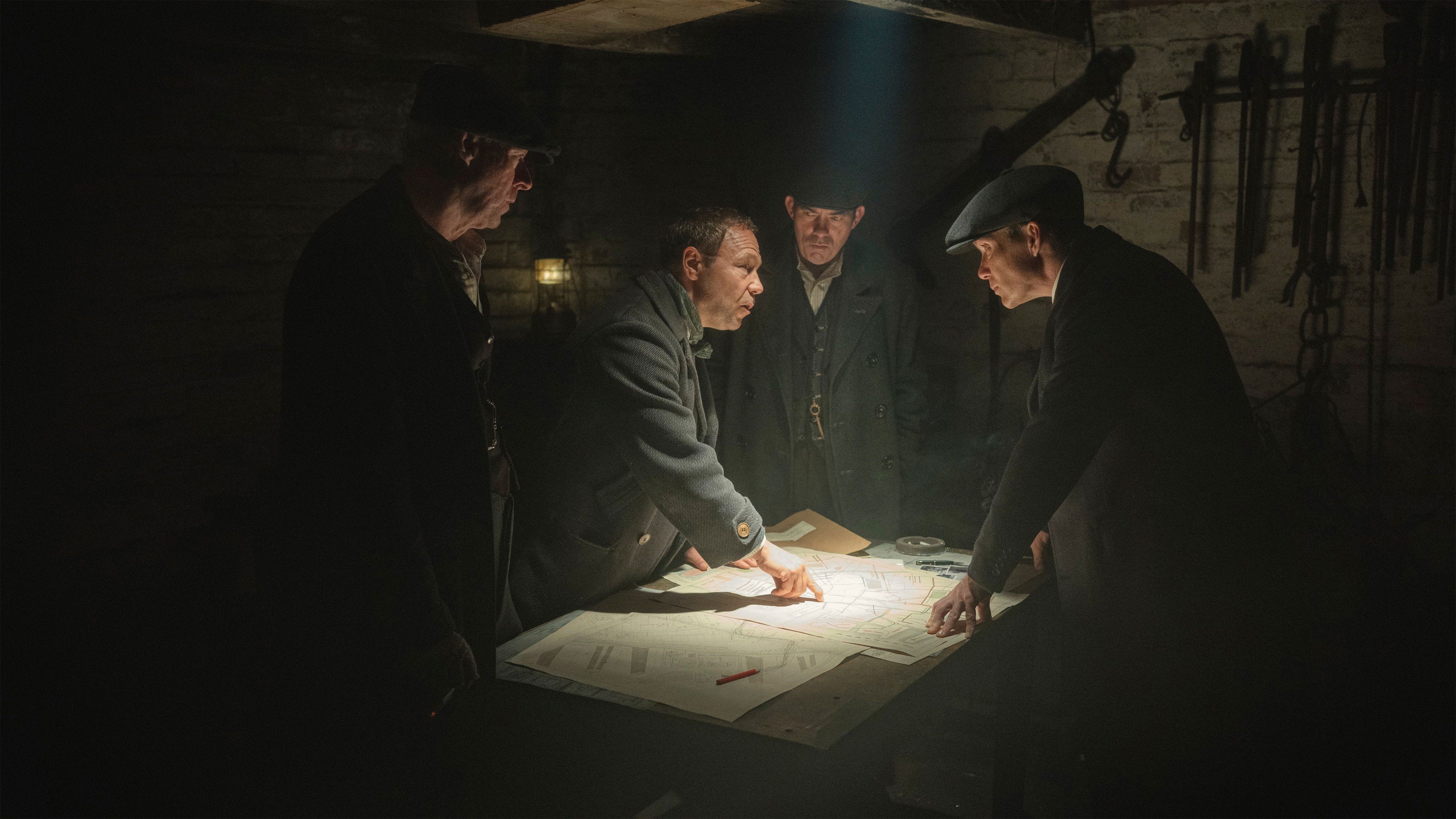
As the series progressed into its later seasons – at least from season four onward – signs of structural fatigue became evident. With each new obstacle, it became less clear what Thomas Shelby actually wanted, not only as a leader but as an individual, struggling against enemies who did not share his code or values, while attempting to preserve the remnants of a fractured humanity.
What remained was iconography: the imposing presence of Cillian Murphy, and it is worth noting that a lesser actor would have sunk the series much earlier, the stylized framing, the catchphrases repeated until they became mantras, and, of course, the soundtrack that helped sustain this aura of grandeur (Nick Cave still echoes in my mind). The Immortal Man relies precisely on this residual iconography.
At first, there seems to be the promise of a different kind of film: a misanthropic Tommy, accompanied only by Johnny Dogs (Packy Lee), who handles the daily routines while Tommy dedicates himself to writing his own story. A gesture that, narratively, feels somewhat lazy in signaling: 1) the construction of a myth, 2) a figure born, developed, and concluded by his own hands, thus denying others the right to tell his story, and 3) the imminent end of the narrative.
Which is unfortunate, as Jacqueline Abrahams’ production design is effective in establishing the desolate atmosphere of a man consumed by ghosts, trauma, and superstition. Together with George Steel’s cinematography, the film explores dim lighting, invasive shadows, confinement, and abandonment to reflect Thomas’s internal state.
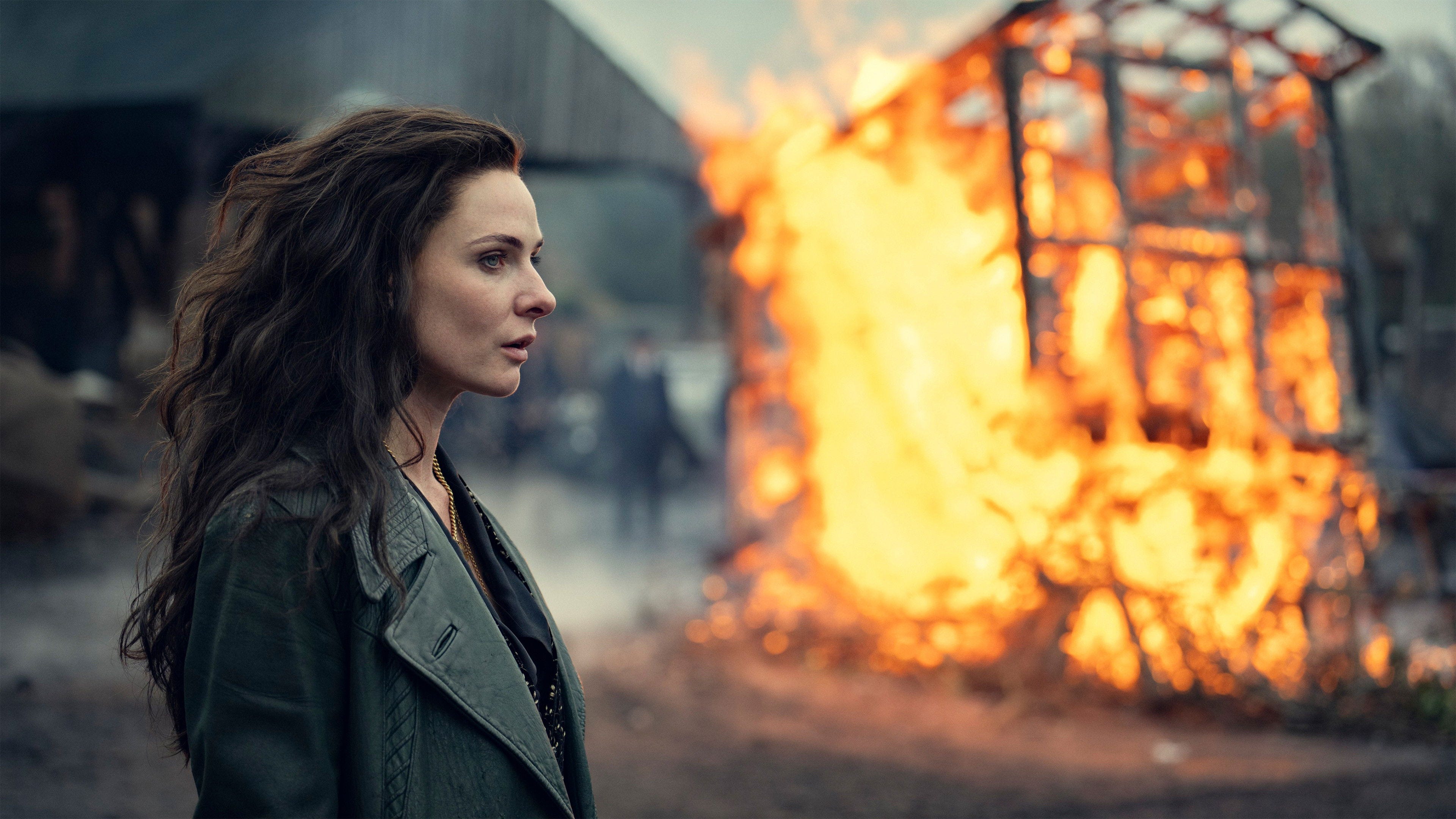
All of this is abandoned once he is forced to return to Birmingham and reconnect with his son, Duke (Barry Keoghan), a decision that opens the darker paths of his fate. Duke mirrors his father physically, but not ethically: from stealing morphine from hospitals to looting bombed factories, he even considers aligning himself with English fascists (“The world doesn’t care about me, so I don’t care about the world”).
The father-son encounter could have served as the emotional backbone for Thomas’s conclusion, but the screenplay consistently opts for simplified decisions and shallow dialogue – whether in a fight staged in a pigsty or in the moment when John (Tim Roth) exploits Duke’s paternal void to manipulate him. These choices drain the emotional potential of the conflict.
In the end, the relationship functions merely as a narrative device to pull Thomas out of his apathy and grant him one final moment of glory against John, who embodies fascism within the story, especially given the absence of Oswald Mosley (Sam Claflin) from the conclusion.
There are clear parallels here with No Time to Die, particularly in the decision to conclude an iconic character’s arc, although Thomas pales in comparison to Ian Fleming’s creation, with an underdeveloped and dramatically weak antagonist. This is not about comparing Tim Roth to Rami Malek: the former’s talent easily surpasses the latter’s, but rather about the villain’s inability to match the weight of the myth he confronts.
What remains is a film that constantly falls back on what once worked. The image of Tommy Shelby walking to the music of Nick Cave returns, now emptied of meaning, reduced to the melancholic echo of a scene that no longer understands what that figure truly represents.
None of the newly introduced or developed characters bring anything that had not already been lost in previous seasons, nor do the returning ones, including Thomas himself, survive beyond the memory of what they once were.
The Immortal Man is merely the extension (commercially understandable, but narratively inept) of an ending that had already been rehearsed many times, now executed as little more than protocol.

Crítico de cinema filiado a Critics Choice Association, à Associação Brasileira de Críticos de Cinema, a Online Film Critics Society e a Fipresci. Atuou no júri da 39ª Mostra Internacional de Cinema em São Paulo/SP, do 12º Fest Aruana em João Pessoa/PB, do 24º Tallinn Black Nights Film na Estônia, do 47º TIFF – Festival Internacional de Cinema em Toronto. Ministrante do Laboratório de Crítica Cinematográfica na 1ª Mostra Internacional de Cinema em São Luís (MA) e Professor Convidado do Curso Técnico em Cinema do Instituto Estadual do Maranhão (IEMA), na disciplina Crítica Cinematográfica. Concluiu o curso de Filmmaking da New York Film Academy, no Rio de Janeiro (RJ) em 2013. Participou como co-autor dos livros 100 melhores filmes brasileiros (Letramento, 2016), Documentário brasileiro: 100 filmes essenciais (Letramento, 2017) e Animação Brasileira – 100 Filmes Essenciais (Letramento, 2018). Criou o Cinema com Crítica em fevereiro de 2010 e o Clube do Crítico em junho de 2020.