
Crítica em português
Perto do aniversário de 60 anos de sua morte – particularmente, considero perturbador esse tipo de construção textual -, Che Guevara retorna em forma documental dentro do mundo contemporâneo polarizado, parecido com o da Guerra Fria, embora formalmente não seja mais o mesmo. Ainda hoje, mantido no limbo histórico entre a idolatria revolucionária e a rejeição ideológica para, raramente, sua figura emergir para além de um olhar polarizado, em toques acinzentados. E não é este The Last Companions que dará ao espectador a oportunidade de enxergar suas nuances, pois o interesse de Christophe Dimitri Reveill é transversal: narrar a aventura dos companheiros sobreviventes de Che.
Em vez de centralizar a figura de Che, cuja iconografia já foi reproduzida (arrisco, esgotada) pela cultura política e popular do século XX, o documentário desloca o olhar para os sobreviventes de sua última campanha revolucionária na Bolívia. Pombo, Urbano, Benigno e demais guerrilheiros que revisitam a sua fuga após a execução de Guevara em 1967, numa travessia de mais de 2.400 quilômetros, enquanto eram perseguidos pelo exército. A retirada de Che do protagonismo permite revelá-lo a partir do que inspirou nos que carregaram sua bandeira revolucionária através do tempo, bem como ajuda a investigar as cicatrizes sociais e individuais deixadas pela História nos sobreviventes.
Antes de pisar nesse terreno, retorno a uma reflexão (óbvia) provocada pelo documentário: quem teria a legitimidade para narrar acerca de Che e sua revolução? Já não seria a presença de um diretor francês, em uma produção francesa narrada por um ator francês (Vincent Lindon) uma contradição com o espírito revolucionário de Che, que defendia autonomia, autodeterminação e emancipação dos povos do sul global diante das estruturas colonialistas e imperalistas? Mesmo que esses recursos estejam deslocados às histórias dos camaradas já idosos, reorganizando as suas memórias em um formato de entrevista – ou cabeças falantes -, o olhar estrangeiro ou colonialista persiste, embora não intencionalmente, como reflexo criativo de que a revolução fracassou. Caso contrário, seriam argentinos (onde Che nasceu), cubanos (o palco de batalha de sua revolução bem-sucedida) ou, mesmo, os compatriotas latino-americanos.
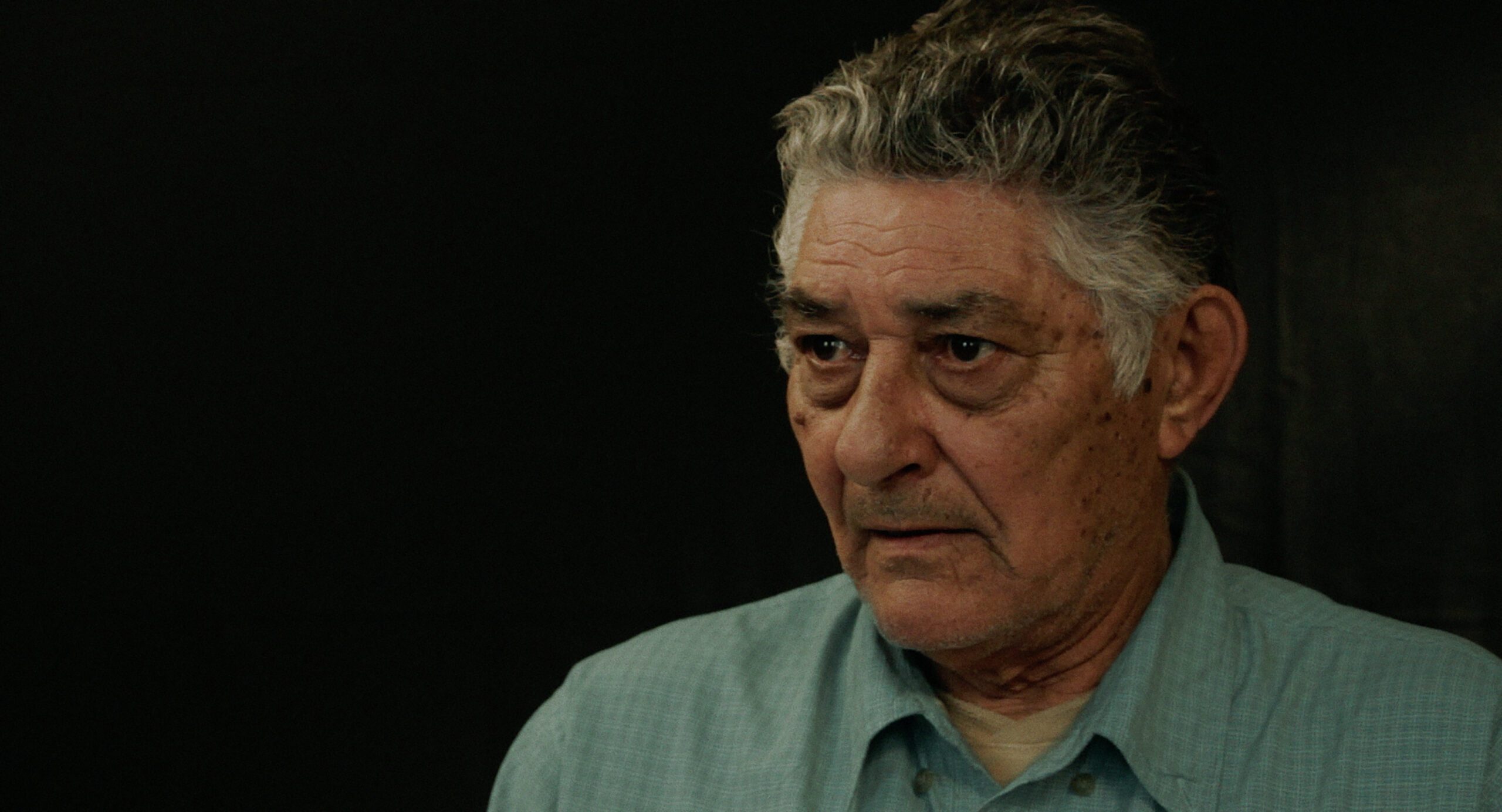
De todo modo, o rosto de Pombo, Benigno, Dario etc. ainda mantém (ou mantinha) uma força, enquanto remexem no baú do passado no conforto relativo de suas casas. As histórias com Che, a jornada de sobrevivência dentro do continente sul-americano, a fome, o medo e a melancolia de terem executado, por ex., um companheiro depois de ter sido atingido na coluna vertebral e perdido os movimentos. Neste relato, há e não há heroísmo. Talvez haja trunfo, melhor dizendo, o de sobreviver e poder contar as histórias que muitos não puderam. Um trunfo e uma sobrevida temperados com a resignação de homens que viveram muito mais vidas do que jamais poderíamos imaginar. Aqui é onde o documentário mais me pega, neste contato íntimo que revela o custo da revolução que participaram.
E embora Che Guevara: The Last Companions confie na potência emocional de seus personagens, é esquemático e praticamente didático às vezes, organizando os seus acontecimentos dentro de uma estrutura semelhante a documentários históricos televisivos. Suas imagens de arquivo inscrevem os eventos na história desde a cena inicial – e a revelação do cadáver de Che -, as entrevistas conferem o elemento humano e as explicações, histórico, todas montadas de maneira funcional e, por isto, incapazes de atingir a emoção cinematográfica. Há uma organização bem feita, que mascara a alma revolucionária que deveria revelar.
Aqui retorno à reflexão que realizei. Por exemplo, a narração de Vincent Lindon é sóbra e competente como praticamente tudo o que este ator faz. Por causa disto, adiciona uma camada de objetividade europeia e de mediação cultural que exige uma organização numa história latino-americana. Não se trata de uma reivindicação identitária nem um debate sobre lugar de fala, mas a ponderação desta identidade e desta fala. É irônico, e produz um efeito de alienação contrário aos esforços da narrativa, que um filme sobre a autodeterminação revolucionária seja constantemente atravessado por uma voz externa que organiza e interpreta o olhar do espectador europeu sobre aquela experiência.
Ao mesmo tempo, seria injusto ignorar alguns méritos formais da direção. As sequências animadas talvez representem o aspecto estético mais interessante, por conter algo expressionista na maneira como as animações tentam reconstruir fragmentos traumáticos da memória daqueles homens. Diferentemente do material de arquivo, que frequentemente inscreve o passado em imagens históricas tal como fora, as animações permitem que o filme se aproxime de um território mais subjetivo das memórias. Não é mais sobre o que aconteceu, e sim sobre como aqueles homens lembram do que aconteceu. Pena que são utilizadas de uma forma relativamente limitada; aí é possível crer no impacto orçamentário, embora isto não venha ao caso.
O resultado final é um tanto ambivalente. Che Guevara: The Last Companions possui relevância narrativa ao reunir depoimentos valiosos de personagens que carregam (carregavam) uma memória viva de um dos episódios mais simbólicos da geopolítica latino-americana. Só que, enquanto cinema, o documentário raramente ultrapassa o formato convencional e o olhar externo parece ter contribuído para isto. Admiro e respeito o esforço de Christophe Dimitri Reveille, e agradeço por ter me colocado em contato com este homens que lembram, com alívio, humor, melancolia e trauma, as suas jornadas.
Em contrapartida, não há nada revolucionário em um documentário francês sobre personagens icônicos latino-americanos, que narre, em boa parte do tempo com o rigor de uma aula de história do ensino médio, trajetórias humanas ímpares. Creio que, se Che pudesse assisti-lo, lamentaria reparar que sua imagem, sua história e daqueles que arrebatou, transformaram-se num produto cultural do mesmo sistema que combatia.
English review
As the 60th anniversary of his death approaches — a commemorative framing that I personally find somewhat disturbing — Che Guevara returns in documentary form within a contemporary world as polarized as the Cold War era, even if formally it is no longer the same. To this day, he remains suspended in a historical limbo between revolutionary idolization and ideological rejection, only rarely emerging beyond polarized readings and into grayer, more ambiguous territory. And The Last Companions is not the film that will offer viewers the opportunity to perceive those nuances, since Christophe Dimitri Reveill’s interest lies elsewhere: in narrating the odyssey of Che’s surviving comrades.
Rather than centering Che himself — whose iconography has already been endlessly reproduced (and, I would argue, exhausted) by the political and popular culture of the 20th century — the documentary shifts its attention toward the survivors of his final revolutionary campaign in Bolivia. Pombo, Urbano, Benigno and the other guerrilla fighters revisit their escape after Guevara’s execution in 1967, during a 2,400-kilometer journey while being hunted by the army. Removing Che from the narrative forefront allows the film to reveal him indirectly, through what he inspired in those who carried his revolutionary banner across time, while also investigating the social and individual scars History left upon the survivors.
Before stepping fully into that territory, however, I return to an (obvious) reflection provoked by the documentary itself: who possesses the legitimacy to narrate Che and his revolution? Is not the mere presence of a French director, within a French production narrated by a French actor (Vincent Lindon), already a contradiction of Che’s revolutionary spirit, which defended autonomy, self-determination, and the emancipation of Global South peoples from colonialist and imperialist structures? Even if those formal choices are displaced toward the stories of the now elderly comrades, reorganizing their memories into an interview — or talking heads — format, the foreign or colonial gaze still persists, even unintentionally, as a creative reflection of the revolution’s failure. Otherwise, the storytellers might have been Argentinean (where Che was born), Cuban (the stage of his successful revolution), or at least fellow Latin Americans.
In any case, the faces of Pombo, Benigno, Dario and the others still retain considerable force as they rummage through the trunk of the past within the relative comfort of their homes. Their stories with Che, their journey of survival across South America, the hunger, the fear, and the melancholy of having, for example, executed a comrade after he was shot in the spine and lost movement in his legs. Within this memory there is both heroism and its absence. Or perhaps not heroism at all, but rather the privilege of survival: the chance to tell stories that many others never lived long enough to recount. A privilege and an afterlife tempered by the resignation of men who have lived far more lives than we could ever imagine. It is here that the documentary affects me most deeply, in this intimate contact that reveals the true cost of the revolution they took part in.
And although Che Guevara: The Last Companions trusts in the emotional power of its characters, it is often schematic and almost didactic, organizing events within a structure resembling television historical documentaries. Its archival footage inscribes the events into History from the opening scene — beginning with the revelation of Che’s corpse — while the interviews provide the human element and the historical explanations contextualize everything, all assembled in a functional manner that ultimately prevents the film from reaching genuine cinematic emotion. There is an efficient organization at work, one that masks the revolutionary soul the documentary should instead be revealing.
This brings me back to the reflection I raised earlier. Vincent Lindon’s narration, for example, is sober and competent, much like nearly everything the actor does. Precisely because of this, however, it adds a layer of European objectivity and cultural mediation that imposes a certain order onto a fundamentally Latin American story. This is neither an identitarian claim nor merely a discussion of who gets to speak, but rather a consideration of identity and voice themselves. There is something ironic — and alienating, contrary to the narrative’s own ambitions — in a film about revolutionary self-determination being constantly filtered through an external voice organizing and interpreting the European spectator’s gaze upon that experience.
At the same time, it would be unfair to ignore some of the director’s formal merits. The animated sequences perhaps represent the documentary’s most interesting aesthetic dimension, containing something expressionistic in the way they attempt to reconstruct traumatic fragments from those men’s memories. Unlike archival material, which often fixes the past into historical images as they supposedly were, animation allows the film to move closer toward the subjective territory of memory. It is no longer about what happened, but rather about how those men remember what happened. It is unfortunate that these sequences are used only sparingly; one can easily imagine budgetary limitations shaping this decision, though that is ultimately beside the point.
The final result remains somewhat ambivalent. Che Guevara: The Last Companions possesses undeniable narrative relevance in gathering valuable testimonies from figures who still carry a living memory of one of the most symbolic episodes in Latin American geopolitics. Yet as cinema, the documentary rarely transcends conventional form, and the external gaze seems partly responsible for that limitation. I admire and respect Christophe Dimitri Reveill’s effort, and I am grateful for having been placed in contact with these men who remember, with relief, humor, melancholy, and trauma, their journeys.
In contrast, there is nothing revolutionary about a French documentary on iconic Latin American figures that spends much of its runtime narrating singular human trajectories with the rigor of a high school history lesson. I believe that, if Che could watch it, he would regret realizing that his image, his story, and the stories of those he inspired have ultimately been transformed into a cultural product of the very system he fought against.

Crítico de cinema filiado a Critics Choice Association, à Associação Brasileira de Críticos de Cinema, a Online Film Critics Society e a Fipresci. Atuou no júri da 39ª Mostra Internacional de Cinema em São Paulo/SP, do 12º Fest Aruana em João Pessoa/PB, do 24º Tallinn Black Nights Film na Estônia, do 47º TIFF – Festival Internacional de Cinema em Toronto. Ministrante do Laboratório de Crítica Cinematográfica na 1ª Mostra Internacional de Cinema em São Luís (MA) e Professor Convidado do Curso Técnico em Cinema do Instituto Estadual do Maranhão (IEMA), na disciplina Crítica Cinematográfica. Concluiu o curso de Filmmaking da New York Film Academy, no Rio de Janeiro (RJ) em 2013. Participou como co-autor dos livros 100 melhores filmes brasileiros (Letramento, 2016), Documentário brasileiro: 100 filmes essenciais (Letramento, 2017) e Animação Brasileira – 100 Filmes Essenciais (Letramento, 2018). Criou o Cinema com Crítica em fevereiro de 2010 e o Clube do Crítico em junho de 2020.