
Crítica do documentário polonês sobre violência doméstica, memória e família
Todo documentário que coloca uma câmera diante da própria família e de si mesmo provoca-me sentimentos contraditórios. Qualquer forma de arte, e o cinema não é exceção, é um instrumento de investigação do artista, de onde veio, o que sente e quem é. Quer dizer, qualquer filme, em maior ou menor medida, revela algo sobre quem está por trás dele: seja a maneira como enquadra o mundo, seja o que escolhe mostrar ou esconder. Existe, contudo, uma diferença fundamental quando o artista retorna à casa onde cresceu e escolhe, como suas personagens, pai, mãe, irmãs, avó e si mesma. Sinto-me agraciado por poder assistir às vidas de pessoas desconhecidas, de estar na companhia delas mesmo depois dos créditos finais e de desenvolver empatia e compaixão, ao mesmo tempo em que acredito estar invadindo a sua privacidade, permanecendo mais do que deveria e transformando o drama ou a tragédia de uns em uma espécie de moeda dramática.
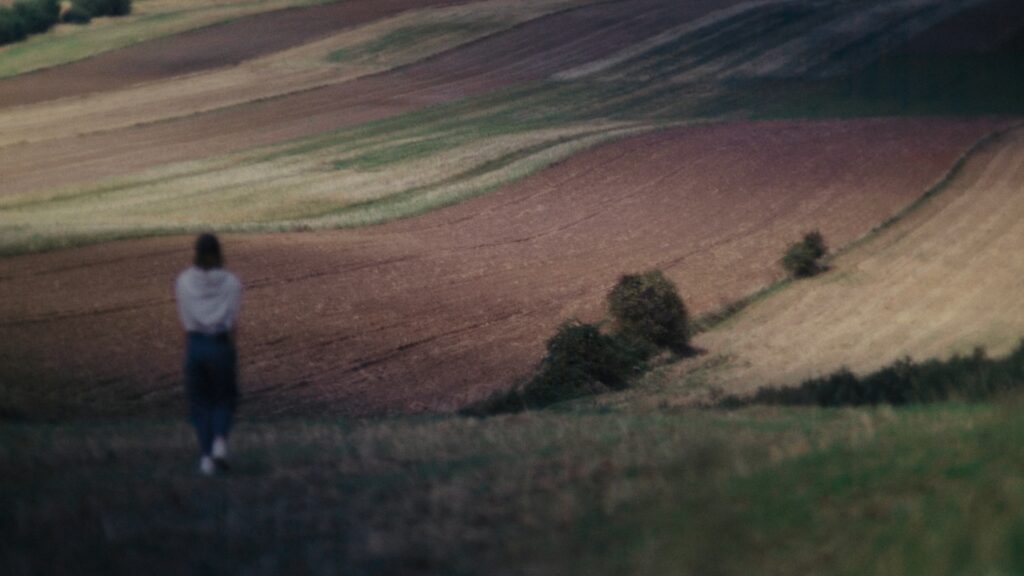
Em Blossoming, Kamila Serwicka é mais uma cineasta a estar no limiar entre o voyeurismo cinematográfico e a partilha da intimidade doméstica ao regressar, depois de oito anos, para filmar sua mãe, Agnieszka, e, aos poucos, transformar o registro de uma mulher em um retrato de uma família inteira marcada pela violência doméstica, pelo silenciamento e pela desejo de finalmente falar. No princípio, a proposta parece relativamente simples: a filha deseja contar a história da mãe, que permaneceu em um vilarejo polonês, trabalhando, criando as três filhas e sobrevivendo a um casamento abusivo. Aos poucos, a história que era da mãe passa a ser também da avó e das irmãs, a diretora incluída, que trazem consigo não só as cicatrizes ou os traumas, mas especialmente a união necessária para sobreviver e enfrentar a humilhação, o abuso e a violência doméstica.
Ao longo de cinco anos de produção, Kamila construiu um retrato multigeracional de cinco mulheres, (re)construindo a intimidade com aquelas pessoas de uma forma interessante. No começo, a presença da câmera provoca estranhamento. Os familiares sabem que estão sendo observados e não sabem exatamente como agir diante da lente que documentar cada movimento, palavra, gesto e o não dito. E aos poucos, a câmera deixa de parecer intrusa. Ela permanece estática, acompanhando refeições, conversas, silêncios ou confrontos, até adquirir uma forma de invisibilidade. Transforma-se em testemunha. Deste modo, perde o poder de repelir artificialmente as agressões, passa a registrá-las.
A pandemia de Covid-19 acrescenta uma camada adicional. O isolamento reduz as alternativas e obriga os integrantes das famílias a permanecerem próximos, por bem ou por mal. O pai permanece lá. Quando Kamila finalmente o confronta, anos depois, ela realiza uma de suas cenas mais poderosas justamente porque não precisa recorrer a nenhuma encenação. São apenas as palavras importam, dando tridimensionalidade a imagens que Kamila optou, por bem, em não registrar. Fora isso, explicam porque é importante dividir e compartilhar. Nem digo tornar necessariamente público como fez o documentário, mas somente encontrar alguém de confiança para escutar.
Entretanto, depois de essas palavras serem pronunciadas, nunca mais podem ser desditas. Nunca mais Kamila, e a sua família, voltará ao estado anterior. Durante anos, a violência pôde ser administrada pelo silêncio, pela distância e pela adaptação. Falar palavras e imagens significa inverter a relação de poder e dá-lo a quem não possuía. Mesmo que o agressor não reconheça tudo o que fez e mesmo que a câmera não tenha poder de apagar o passado, a vítima deixa de aceitar que sua experiência esteja confinada ao privado, criando-se um registro de que aquilo aconteceu e, principalmente, de que elas sobreviveram a isso.
Nesse sentido, o filme também é uma celebração das mulheres que formam a família da diretora. A avó é uma personagem que herda a maternidade das netas em certo momento e marcada e por uma vida na qual o chamado príncipe encantado nunca apareceu. A mãe, depois de anos submetida a um casamento abusivo, encontra forças para viajar para a Holanda em busca de alguma oportunidade de futuro. As irmãs carregam experiências diferentes da mesma estrutura familiar. Nenhuma sobreviveu da mesma maneira, nenhuma tem a mesma identidade, e isto enriquece o coral criado pela diretora.
Ao fazê-lo, o documentário ganha uma dimensão política para além da história familiar. A violência doméstica não é um fato isolado da família de Kamila. Não é exclusiva da Polônia nem de uma parte da Europa, é também a realidade brasileira e mundial. É tão pandêmico quanto a Covid-19, ainda mais considerado o índice de subnotificação, e nem há vacina facilmente administrada. Gostaria de crer que o documentário fosse uma espécie de vacina, mas estaria sendo ingênuo considerando a circulação infelizmente mais restrita e as formas como chegam ao espectador; é, na verdade, antídoto para aquela família em particular.
Pensando assim, a duração de aproximadamente 70 minutos impede Blossoming de aprofundar todas essas histórias particulares. Há lacunas e acontecimentos fora do quadro. A experiência é mais aberta e poética. Isso produz um efeito admirável: a história particular se torna suficientemente universal para que algum espectador reconheça-se dentro dela. Não precisamos conhecer cada detalhe para compreender o que significa crescer com medo. Não precisamos saber tudo sobre Agnieszka e Danuta para entender a dificuldade de ser mãe em suas circunstâncias.
Ao término, Blossoming é mais um filme sobre o que pode florescer depois que a violência doméstica deixa de ser um segredo a sete chaves. Ao apontar a câmera para dentro de casa e diretamente para dentro de sua alma, Kamila transforma uma experiência pessoal em um testemunho capaz de ultrapassar aquela família. O cinema não resolve suas feridas, mas lhes oferece uma forma, um espaço e uma memória. Quando todas as mulheres finalmente encontram voz, aquilo que durante tanto tempo serviu para separá-las começa, pouco a pouco, a se transformar naquilo que pode uni-las, e mesmo que a cena final esteja imersa em um silêncio interno ou externo, podemos confiar que aquela família tem, uma na outra, o apoio para se reerguer.
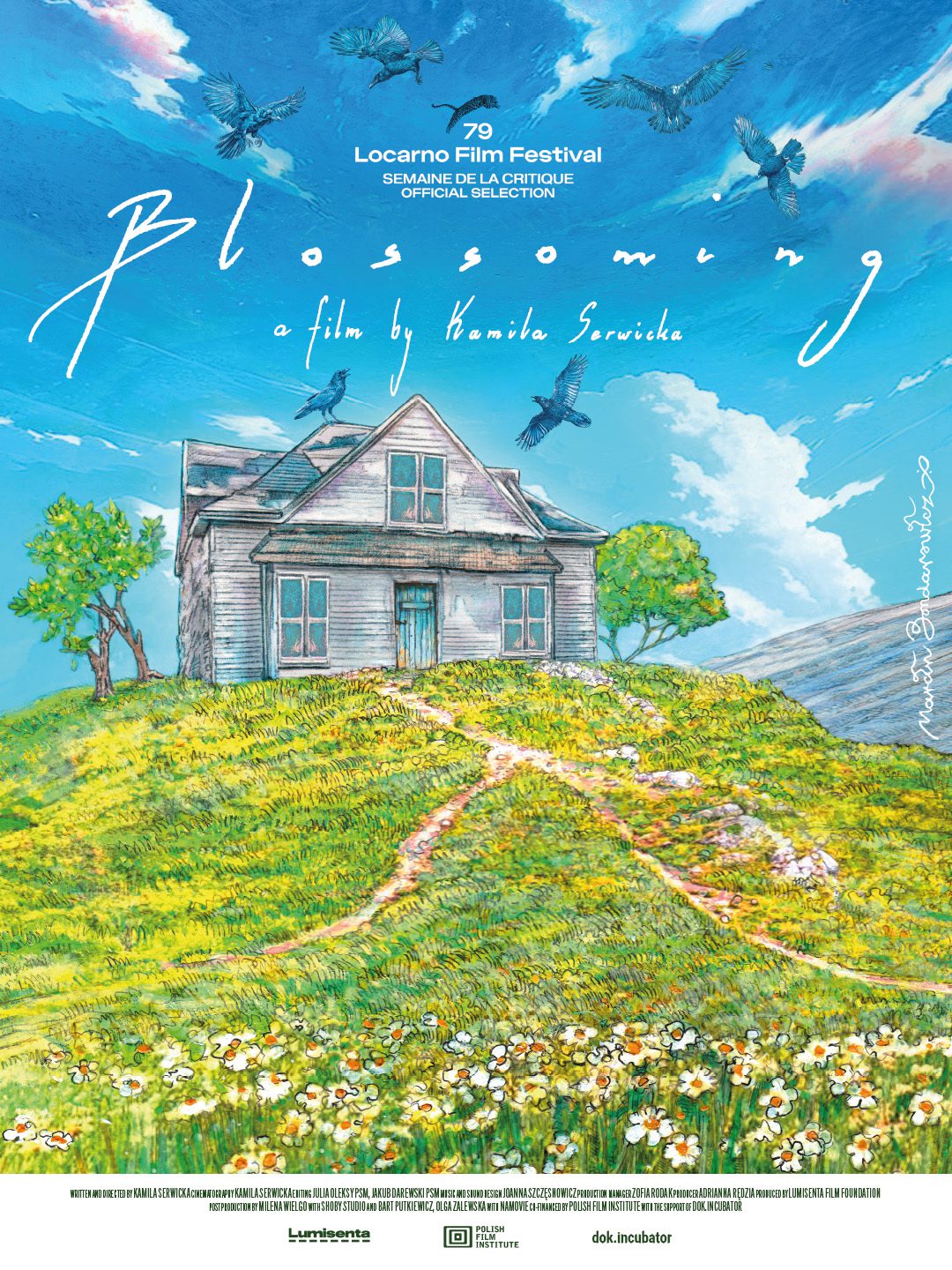
Blossoming tem estreia mundial na Semana da Crítica do 79º Festival de Cinema de Locarno 2026.
Review of the Polish Documentary About Domestic Violence, Memory, and Family
Every documentary that places a camera in front of one’s own family and oneself provokes contradictory feelings in me. Any form of art, and cinema is no exception, is an instrument through which the artist investigates where they came from, what they feel, and who they are. In other words, every film, to a greater or lesser extent, reveals something about the person behind it: whether through the way they frame the world or through what they choose to show or conceal. There is, however, a fundamental difference when the artist returns to the house where they grew up and chooses as their characters their father, mother, sisters, grandmother, and herself. I feel privileged to be able to witness the lives of strangers, to remain in their company even after the end credits, and to develop empathy and compassion, while at the same time feeling that I am invading their privacy, staying longer than I should, and turning someone else’s drama or tragedy into a kind of dramatic currency.
In Blossoming, Kamila Serwicka is yet another filmmaker standing on the threshold between cinematic voyeurism and the sharing of domestic intimacy as she returns, after eight years, to film her mother, Agnieszka, gradually transforming the portrait of one woman into that of an entire family marked by domestic violence, silencing, and the desire to finally speak. At first, the proposition seems relatively simple: a daughter wants to tell the story of her mother, who remained in a Polish village, working, raising three daughters, and surviving an abusive marriage. Gradually, however, the story that belonged to the mother becomes the story of the grandmother and the sisters as well, including the director herself, who carry with them not only scars or trauma, but above all the solidarity necessary to survive and confront humiliation, abuse, and domestic violence.
Over five years of production, Kamila constructs a multigenerational portrait of five women, (re)building intimacy with these people in an interesting way. At first, the presence of the camera causes discomfort. The family members know they are being watched and do not quite know how to behave in front of a lens that documents every movement, word, gesture, and everything left unsaid. Gradually, however, the camera ceases to seem intrusive. It remains still, observing meals, conversations, silences, and confrontations until it acquires a form of invisibility. It becomes a witness. In doing so, it loses the power to artificially repel the aggressions and instead begins to record them.
The Covid-19 pandemic adds another layer to this dynamic. Isolation reduces the alternatives and forces family members to remain close to one another, willingly or otherwise. The father remains there. When Kamila finally confronts him, years later, she creates one of the film’s most powerful scenes precisely because it does not need any staging. It is the words that matter, giving three-dimensionality to images that Kamila wisely chose not to record. Beyond that, they explain why it is important to divide and share these experiences. I do not necessarily mean making them public, as the documentary does, but simply finding someone you trust who is willing to listen.
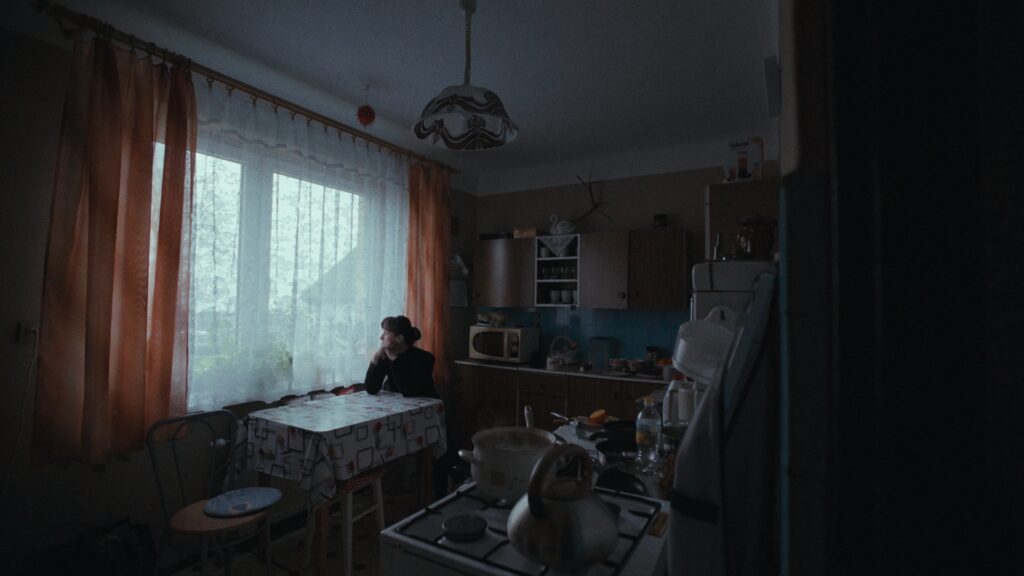
Yet once those words have been spoken, they can never be unsaid. Kamila and her family can never return to the state they were in before. For years, violence could be managed through silence, distance, and adaptation. Speaking those words and creating those images means reversing the balance of power and giving it to those who did not possess it. Even if the abuser does not acknowledge everything he did, and even if the camera has no power to erase the past, the victim refuses to accept that her experience must remain confined to the private sphere. A record is created that it happened and, above all, that they survived it.
In this sense, the film is also a celebration of the women who make up the director’s family. The grandmother becomes, at a certain point, a maternal figure to her grandchildren, marked by a life in which the so-called Prince Charming never appeared. The mother, after years subjected to an abusive marriage, finds the strength to travel to the Netherlands in search of some possibility of a future. The sisters carry different experiences of the same family structure. None survived in exactly the same way, none possesses the same identity, and this enriches the chorus created by the director.
In doing so, the documentary acquires a political dimension beyond the family story. Domestic violence is not an isolated fact within Kamila’s family. It is not exclusive to Poland or to a particular part of Europe; it is also a reality in Brazil and around the world. It is as pandemic as Covid-19, particularly when underreporting is taken into account, and there is no easily administered vaccine. I would like to believe that the documentary could function as some kind of vaccine, but that would be naïve considering its unfortunately limited circulation and the ways in which it reaches audiences; in truth, it is an antidote for this particular family.
Seen this way, the approximately 70-minute running time prevents Blossoming from fully exploring all these individual stories. There are gaps and events that remain outside the frame. The experience is more open and poetic. This produces an admirable effect: the particular story becomes sufficiently universal for some viewer to recognize themselves within it. We do not need to know every detail to understand what it means to grow up afraid. We do not need to know everything about Agnieszka and Danuta to understand the difficulty of being a mother under their circumstances.
By the end, Blossoming is more a film about what can bloom after domestic violence ceases to be a closely guarded secret. By pointing the camera inside her home and directly into her own soul, Kamila transforms a personal experience into a testimony capable of extending beyond that family. Cinema does not heal their wounds, but it gives them form, space, and memory. When all the women finally find their voices, what for so long served to separate them gradually begins to transform into what can unite them. And even if the final scene is immersed in an internal or external silence, we can trust that this family has, in one another, the support they need to rise again.
Blossoming has its world premiere in the Semaine de la Critique at the 79th Locarno Film Festival 2026.

Crítico de cinema filiado a Critics Choice Association, à Associação Brasileira de Críticos de Cinema, a Online Film Critics Society e a Fipresci. Atuou no júri da 39ª Mostra Internacional de Cinema em São Paulo/SP, do 12º Fest Aruana em João Pessoa/PB, do 24º Tallinn Black Nights Film na Estônia, do 47º TIFF – Festival Internacional de Cinema em Toronto. Ministrante do Laboratório de Crítica Cinematográfica na 1ª Mostra Internacional de Cinema em São Luís (MA) e Professor Convidado do Curso Técnico em Cinema do Instituto Estadual do Maranhão (IEMA), na disciplina Crítica Cinematográfica. Concluiu o curso de Filmmaking da New York Film Academy, no Rio de Janeiro (RJ) em 2013. Participou como co-autor dos livros 100 melhores filmes brasileiros (Letramento, 2016), Documentário brasileiro: 100 filmes essenciais (Letramento, 2017) e Animação Brasileira – 100 Filmes Essenciais (Letramento, 2018). Criou o Cinema com Crítica em fevereiro de 2010 e o Clube do Crítico em junho de 2020.