

Love Lessons e a possibilidade de recomeçar aos 60
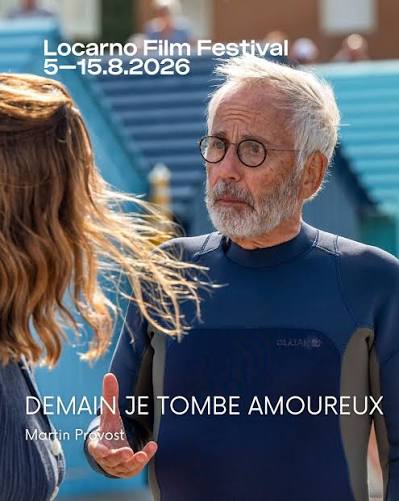
Tenho um carinho grande pelo ator Fabrice Luchini. Além do timing cômico preciso e de uma capacidade de construir o embaraço sem jamais transformá-lo apenas em humilhação, o francês possui uma coragem incomum: não parece ter medo de ser ridículo. É o tipo de homem que tropeça em suas próprias palavras – e pernas – e que, no caso deste Love Lessons, não sabe exatamente como agir diante de mulheres, do amor ou da vida, senão por intermédio dos livros atrás dos quais se refugiou. Ele é o intérprete ideal de Émile, o professor de literatura do ensino médio que precisa aceitar, no começo da terceira idade, que ainda é um estudante diante da vida.
Já na cena inicial, Émile chega à última aula antes da aposentadoria falando sobre amor e literatura, incentivando os seus alunos a se tornarem “os poetas de suas próprias vidas”, algo que o diretor e roteirista Martin Provost explorará de uma forma Brechtiana. Quando uma aluna pergunta se ele ainda está apaixonada por sua esposa, Émile hesita. E, antes que pudesse tropeçar na resposta, o alarme da escola anuncia o fim da aula, e, de certa maneira, da vida que ele conhecia. Ao voltar para casa para viver o restante de sua vida, Émile descobre que a sua esposa o deixou por outro.
A partir desse abandono, a narrativa constrói uma comédia sobre alguém obrigado a confrontar as próprias limitações como marido, amante e homem, enquanto precisa também ajudar sua irmã a cuidar da mãe, que se aproxima do fim da vida. É um ponto de partida melancólico, que Provost remodela em uma oportunidade de transformação. A aposentadoria, o abandono ou a velhice não precisam ser uma sentença; podem também significar a possibilidade de começar alguma coisa que deveria ter começado muito antes.
Aí, o filme encontra a sua fundação: não existe idade adequada para se apaixonar, assim como não existe idade adequada para fazer uma besteira. Correr atrás de alguém na estação de trem, dizer à pessoa que se ama que a ama, assustar-se diante de uma experiência inédita, tudo isso pode acontecer aos 15, aos 30 ou aos 60 anos. A comédia de Provost parece construída em torno dessa tentativa de recuperar uma espontaneidade ou loucura que a vida adulta nos fez abandonar em detrimento do controle. Quando uma personagem manobra o carro fora da pista principal para transar, Émile acovarda-se não só com medo de ser descoberto, mas especialmente com o medo de intimidade. Ele precisa reaprender a experimentar o mundo sem a segurança das respostas que costumava oferecer aos seus alunos.
O problema é que o cineasta está mais interessado em Émile do que na vida das mulheres que o rodeiam nesta etapa de vida. Carole Bouquet, Chiara Mastroianni e Emmanuelle Devos são atrizes capazes de conferir densidade às personagens mais esquemáticas, mas o roteiro frequentemente transforma suas figuras femininas em arquétipos. Há a mulher rebelde, de espírito livre, e capaz de invadir uma propriedade e resgatar galinhas mantidas em cativeiro; há o primeiro amor de Émile, aquela que ele deixou escapar e que retorna para desafiar as suas certezas; há ainda a mulher traída pelo marido que se aproxima dele não como uma relação romântica, mas como uma possibilidade de afeto, enquanto também passa a ajudar nos cuidados com sua mãe. São personagens que possuem dramas próprios, mas que acabam apenas orbitando a transformação de um homem.
Essa diferença é incômoda porque o filme parece reconhecer que as suas mulheres são mais maduras ou melhor resolvidas do que o protagonista. Claro, elas enfrentam seus abandonos, perdas, responsabilidades e escolhas, enquanto Émile continua, de certa maneira, dependendo delas – seja após machucar o tornozelo, seja quando se afoga. Aos 60 anos, ele permanece protegido pela mãe, busca os afetos da irmã e procura nas mulheres ao seu redor uma forma de validar sua existência. A fragilidade masculina é obviamente um dos objetos da comédia, e Luchini é excelente em expô-la sem precisar transformá-la em caricatura. Mas entre rir desse homem que precisa se reinventar e construir toda a narrativa em torno da necessidade de que as mulheres sejam responsáveis por essa reinvenção, é onde Provost me perde.
O filme funciona melhor quando simplesmente observa o constrangimento de Émile. Luchini transforma hesitação em ação; é como se sempre estivesse tentando compreender aquilo que já aconteceu, aprendendo, racionalizando, ao invés de vivendo. Essa característica dá leveza a uma história que poderia facilmente cair no melodrama melancólico sobre envelhecimento, abandono e morte. E mesmo a trilha sonora, por vezes acenando a este melodrama, termina por abraçar o humor por trás da história.
Há algo bonito na maneira como a narrativa insiste que ainda é possível jogar-se em uma água gelada para chacoalhar e movimentar o sangue do corpo. O filme parece confiar que a vida exige algum grau de imprudência e de uma liberdade que não encara barreiras e nem constrangimento. Por isso que o conceito de “poetas de suas próprias vidas”, apresentado na aula de Émile, seja mais interessante quando retorna de maneira indireta para o próprio professor. A poesia está em aceitar que o que parecia imanente não o é. Ao menos, Émile não tomou o veneno de Romeu e Julieta, tarde demais para voltar atrás.
É uma pena, portanto, que o filme não confie completamente nessa ideia. Seu desfecho é tão marcado pela necessidade de realização que acaba retirando parte da ambiguidade que havia tornado a trajetória de Émile interessante. Eu gostaria de ter visto um filme capaz de aceitar mais radicalmente a possibilidade de que recomeçar aos 60 anos não significa necessariamente encontrar uma nova pessoa, ou uma nova forma de validação afetiva. Poderia significar só aprender a existir sem precisar que alguém nos diga quem somos, nem o nosso valor. No fim das contas, a narrativa é mais interessante quando fala sobre o tempo que nos resta do que quando tenta garantir ao protagonista uma recompensa final.
Ainda assim, existe uma delicadeza. A vida não termina quando terminam os papéis que acreditávamos destinados a desempenhar; o professor pode deixar de ensinar, o marido pode deixar de ser marido, o homem seguro de si pode aceitar que não sabe tanto quanto imaginava. Love Lessons encontra em Fabrice Luchini um intérprete capaz de transformar menores hesitações em bons acontecimentos; certamente, acontecimentos agradáveis.
Love Lessons está na seleção oficial do 79 Festival de Locarno.
Love Lessons and the Possibility of Starting Over at 60
I have a great affection for Fabrice Luchini. Beyond his precise comic timing and his ability to construct embarrassment without ever reducing it to mere humiliation, the French actor possesses an unusual courage: he does not seem afraid of being ridiculous. He is the kind of man who trips over his own words — and legs — and who, in Love Lessons, does not quite know how to behave around women, love, or life except through the books behind which he has taken refuge. He is the ideal actor for Émile, a high school literature teacher who must accept, at the beginning of old age, that he is still a student when it comes to life.
In the opening scene, Émile arrives for his final class before retirement speaking about love and literature, encouraging his students to become “the poets of their own lives,” something director and screenwriter Martin Provost will explore in a Brechtian manner. When a student asks whether he is still in love with his wife, Émile hesitates. And before he can stumble into an answer, the school alarm announces the end of the class and, in a way, the end of the life he knew. When he returns home to live out the rest of his life, Émile discovers that his wife has left him for another man.
From this abandonment, the narrative constructs a comedy about someone forced to confront his own limitations as a husband, lover, and man, while also helping his sister care for their mother, who is approaching the end of her life. It is a melancholic starting point that Provost reshapes into an opportunity for transformation. Retirement, abandonment, or old age do not have to be a sentence; they can also mean the possibility of beginning something that should have started much earlier.
This is where the film finds its foundation: there is no appropriate age to fall in love, just as there is no appropriate age to do something foolish. Chasing someone through a train station, telling the person you love that you love them, being frightened by an unfamiliar experience — all of this can happen at 15, 30, or 60. Provost’s comedy seems built around an attempt to recover a spontaneity, or madness, that adulthood has taught us to abandon in favor of control. When one character drives the car off the main road to have sex, Émile is intimidated not only by the fear of being discovered, but especially by his fear of intimacy. He needs to relearn how to experience the world without the security of the answers he used to offer his students.
The problem is that the filmmaker is more interested in Émile than in the lives of the women surrounding him at this stage of life. Carole Bouquet, Chiara Mastroianni, and Emmanuelle Devos are actresses capable of giving depth to even the most schematic characters, but the screenplay frequently turns its female figures into archetypes. There is the rebellious, free-spirited woman, capable of trespassing onto a property to rescue chickens kept in captivity; there is Émile’s first love, the woman he let slip away and who returns to challenge his certainties; and there is the woman betrayed by her husband who grows close to him not as a romantic relationship, but as a possibility of affection, while also helping to care for his mother. These are characters with their own dramas, but they ultimately orbit the transformation of a man.
This difference is troubling because the film seems to recognize that its women are more mature or better adjusted than its protagonist. Of course, they face their own abandonments, losses, responsibilities, and choices, while Émile remains, in a certain sense, dependent on them — whether after injuring his ankle or when he is drowning. At 60, he remains protected by his mother, seeks his sister’s affection, and looks to the women around him for a way to validate his existence. Male vulnerability is obviously one of the objects of the comedy, and Luchini is excellent at exposing it without turning it into caricature. But somewhere between laughing at this man who needs to reinvent himself and constructing the entire narrative around the need for women to be responsible for that reinvention, Provost loses me.
The film works best when it simply observes Émile’s embarrassment. Luchini turns hesitation into action; it is as though he is always trying to understand what has already happened, learning and rationalizing instead of living. This quality lends lightness to a story that could easily have fallen into melancholic melodrama about aging, abandonment, and death. Even the score, which occasionally gestures toward that melodrama, ultimately embraces the humor beneath the story.
There is something beautiful about the way the narrative insists that it is still possible to throw oneself into cold water to shake oneself awake and get the blood moving through the body. The film seems to trust that life requires a certain degree of recklessness and a kind of freedom that does not acknowledge barriers or embarrassment. That is why the concept of becoming “poets of their own lives,” introduced in Émile’s classroom, becomes more interesting when it indirectly returns to the teacher himself. The poetry lies in accepting that what seemed immanent is not. At least Émile did not drink Romeo and Juliet’s poison, too late to turn back.
It is a shame, therefore, that the film does not completely trust this idea. Its ending is so marked by the need for fulfillment that it removes some of the ambiguity that had made Émile’s journey interesting. I would have preferred a film capable of accepting more radically that starting over at 60 does not necessarily mean finding another person, or another form of emotional validation. It could simply mean learning to exist without needing someone to tell us who we are, or what our worth is. In the end, the narrative is more interesting when it speaks about the time we have left than when it tries to guarantee its protagonist a final reward.
Still, there is a certain delicacy here. Life does not end when the roles we believed we were meant to play come to an end; the teacher can stop teaching, the husband can stop being a husband, and the man who was so sure of himself can accept that he does not know as much as he imagined. Love Lessons finds in Fabrice Luchini an actor capable of transforming minor hesitations into small events; certainly, into pleasant ones.
Love Lessons is part of the official selection of the 79th Locarno Film Festival.

Crítico de cinema filiado a Critics Choice Association, à Associação Brasileira de Críticos de Cinema, a Online Film Critics Society e a Fipresci. Atuou no júri da 39ª Mostra Internacional de Cinema em São Paulo/SP, do 12º Fest Aruana em João Pessoa/PB, do 24º Tallinn Black Nights Film na Estônia, do 47º TIFF – Festival Internacional de Cinema em Toronto. Ministrante do Laboratório de Crítica Cinematográfica na 1ª Mostra Internacional de Cinema em São Luís (MA) e Professor Convidado do Curso Técnico em Cinema do Instituto Estadual do Maranhão (IEMA), na disciplina Crítica Cinematográfica. Concluiu o curso de Filmmaking da New York Film Academy, no Rio de Janeiro (RJ) em 2013. Participou como co-autor dos livros 100 melhores filmes brasileiros (Letramento, 2016), Documentário brasileiro: 100 filmes essenciais (Letramento, 2017) e Animação Brasileira – 100 Filmes Essenciais (Letramento, 2018). Criou o Cinema com Crítica em fevereiro de 2010 e o Clube do Crítico em junho de 2020.