
A perda da inocência e a ruptura familiar
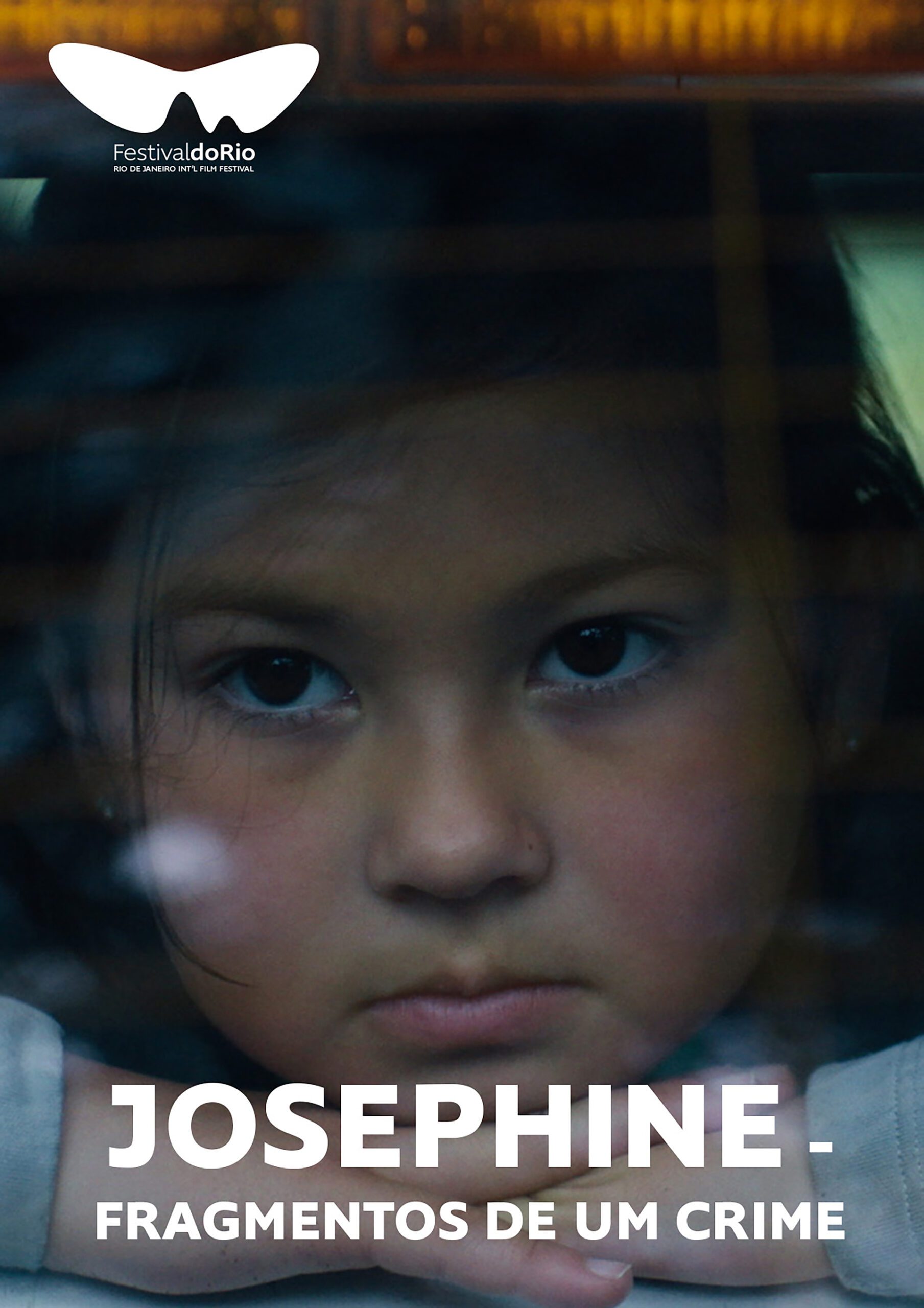
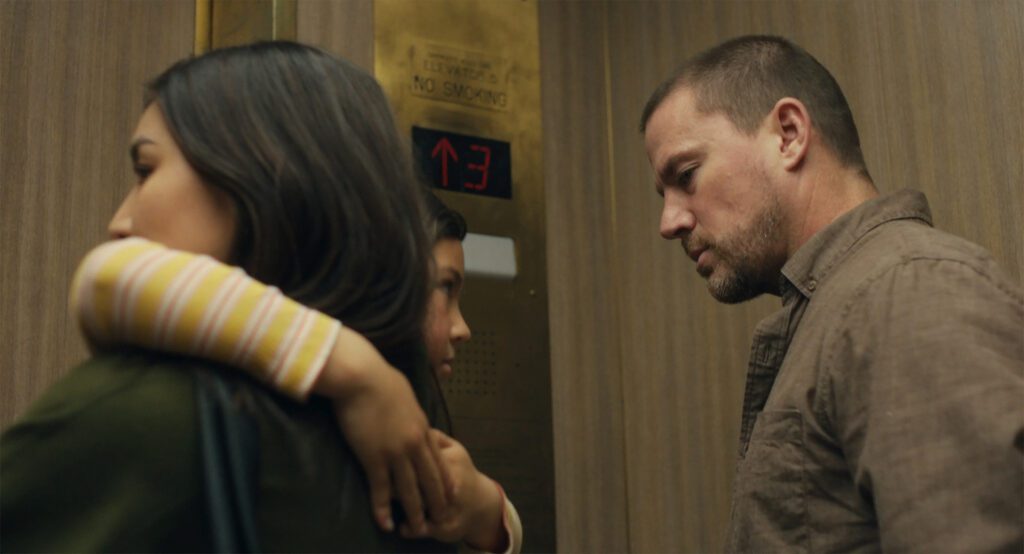
Em muitos momentos de Josephine, que ganhou o subtítulo brasileiro Fragmentos de um Crime, enxergamos o mundo pelos olhos da personagem-título, chamada de Jo pelo pai e de JoJo pela mãe. Aos 8 anos, ela está aprendendo a reconhecer o que existe ao seu redor, descobrindo que o mundo nem sempre é justo e que tampouco oferece a segurança que os seus pais parecem prometer. Ainda assim, precisa aprender a desbravá-lo, a enfrentá-lo sem medo. Seu pai, Damien (Channing Tatum), esforça-se para transmitir confiança e segurança à filha, embora também seja um homem aterrorizado pelo mundo que espera a filha: ele não consegue dormir direito, e a insônia revela aquilo que sua personalidade física e protetora esconde: a consciência de que não existe maneira de garantir a segurança de quem amamos.
Certo dia, durante uma das corridas matinais que costuma fazer com o pai, Josephine testemunha o estupro de uma mulher asiática – que adiciona uma camada ao drama – por um homem branco. A violência que presencia destrói essa percepção infantil que tinha do mundo. É como se a menina também sofresse uma espécie de estupro de sua inocência, obrigada a aprender sobre algo para o qual ainda não dispõe de recursos emocionais. A partir daquele momento, sua vida se fragmenta. Ela descobre que as pessoas podem ser feridas mesmo quando estão usando o cinto de segurança, como lhe ensina o policial de trânsito e, depois, a vida.
O filme compreende que essa descoberta não pertence apenas à menina, mas também aos seus pais, Damien e Claire (Gemma Chan). A tentativa de protegê-la se converte em um teste para a própria família, expondo divergências que já estão anunciadas nos apelidos distintos dados à filha e na maneira com que lidam com situações limite. E Beth de Araújo recorre a imagens inequívocas para ilustrar isso. Na loja de brinquedos, Josephine separa as mãos dos pais. O gesto é formalmente cruel, uma vez que a menina materializa, sem compreender, a fratura que começa a se abrir entre os personagens.
Damien prefere evitar as perguntas da filha sobre estupro, sexo e aquilo que ela presenciou. Ele prefere reagir fisicamente, cuspindo na cara do agressor, o que depois será reencenado pela filha. Sua estratégia é compreensível tratando-se de um homem com uma criação e um conjunto de valores específico, e que deseja poupar a filha, enquanto ainda revela o limite de uma proteção baseada no silêncio. Já Claire tenta construir um espaço de comunicação, embora se encontre diante de barreiras e obstáculos. Há, ainda, a sugestão de que ela também tenha enfrentado alguma forma de abuso no passado, sem encontrar na mãe alguém com quem pudesse conversar, então mesmo que reconheça a importância da fala, talvez não saiba como acessar a filha.
É tocante perceber como a menina parece reconhecer essa dor materna sem que seja necessário verbalizá-la. Existe uma comunicação silenciosa entre as duas, que não implica que Josephine tenha compreendido inteiramente a experiência da mãe – quem sabe quando se passarem os anos. Nesse sentido, a narrativa é interessante quando observa como uma família progressista começa a negociar seus valores diante de uma experiência que escapa ao seu controle. Os pais, contrários às armas de fogo, logo são obrigados a reconsiderar seu posicionamento – embora a cena pareça mais gratuita do que obrigue a uma reflexão profunda sobre armas de fogo. A definição de justiça passa a disputar espaço com o desejo de vingança, enquanto a empatia e a confiança nas instituições cedem terreno a uma visão mais pragmática do mundo.
Beth de Araújo toma decisões formais arriscadas para materializar essa visão de mundo. Para mim, a mais controversa é a de fazer do agressor uma presença recorrente, um bicho-papão na vida de Josephine, ocupando o seu imaginário, contaminando sua infância ou suas relações familiares e humanas. Aliás, ao refletir sobre essa decisão, encontro o que gosto e desgosto na narrativa: essa estratégia nada mais é do que a representação da persistência do trauma, que torna a violência em permanência, algo excessivamente literal pra ser franco. No entanto, há um quê atraente. Beth é habilidosa em tornar sua visão cinema. Em certo momento, em um plano circular, pai, mãe, Josephine, o estuprador (imaginário) e o policial se revezam ao redor de uma mesa, com a câmera estabelecendo um tipo de ciranda ou carrossel.
Igual a essas decisões limítrofes entre forma e narrativa, o roteiro também escrito por Beth. O desmoronamento familiar, que considero o aspecto mais interessante, divide espaço com uma narrativa policial e jurídica dedicada à necessidade de Josephine testemunhar em juízo. A passagem pelo tribunal permite que Beth, novamente, construa outra sequência magistral formalmente – o interrogatório dela – mas também desloca parte do interesse dramático para a capacidade da menina de contribuir para uma condenação. A questão deixa de ser como aquela família vai lidar com a violência – e convenhamos, há muita coisa para se tratar aqui -, passa a incluir o modo como uma criança é convocada a participar de um sistema feito para privilegiar os agressores.
Nesse momento, policiais e profissionais encarregados de lidar com o caso adotam comportamentos pouco convincentes, enquanto a personagem-título toma decisões que funcionam dramaticamente, mas exigem um esforço considerável de suspensão da descrença, a exemplo da agressão desferida contra a mãe. O próprio julgamento é uma cena em que parte do público falará em lacração, apesar de, sim, o argumento de Beth ser oportuno e convincente. Mas de todo modo, não é o posicionamento que me incomoda, é a forma como o filme parece recorrer a ele para resolver uma tensão que é bem mais complexa sobre o trauma infantil e as consequências familiares.
Ainda assim, seria injusto ignorar as qualidades da narrativa. O Grande Prêmio do Júri e o Prêmio do Público conquistados no Festival de Sundance de 2026 reconhecem a força de um drama que encontra ressonância para além de seu contexto específico. A descoberta de que o mundo é perigoso, a impotência dos pais diante da violência e o direito de uma menina crescer sem ser obrigada a carregar sozinha o fardo do que presenciou. Josephine é um filme formalmente admirável, embora narrativamente nem tanto.
Josephine – Fragmentos de um Crime foi exibido na Mostra Panorama Mundial do Festival do Rio 2026.
The Loss of Innocence and a Family’s Fracture
At many points in Josephine, released in Brazil under the subtitle Fragments of a Crime, we see the world through the eyes of the title character, called Jo by her father and JoJo by her mother. At eight years old, she is learning to make sense of her surroundings, discovering that the world is not always fair and does not necessarily offer the safety her parents seem to promise. Still, she must learn to navigate it and face it without fear. Her father, Damien (Channing Tatum), strives to instill confidence and a sense of security in his daughter, even though he is himself terrified of the world that awaits her. He struggles to sleep, and his insomnia reveals what his physically imposing, protective presence conceals: the awareness that there is no way to guarantee the safety of those we love.
One day, during one of the morning runs she regularly takes with her father, Josephine witnesses the rape of an Asian woman—a detail that adds another layer to the drama—by a white man. The violence she witnesses destroys her previously innocent perception of the world. It is as though the girl also experiences a kind of rape of her innocence, forced to confront something for which she does not yet have the emotional resources to cope. From that moment on, her life begins to fracture. She discovers that people can be hurt even when they are wearing seat belts, as the traffic officer tries to teach her and life eventually confirms.
The film understands that this discovery affects not only the girl but also her parents, Damien and Claire (Gemma Chan). Their attempt to protect her becomes a test for the family itself, exposing differences that are already foreshadowed by the distinct nicknames they give their daughter and by the ways they respond to extreme situations. Beth de Araújo resorts to unmistakable imagery to illustrate this. In a toy store, Josephine separates her parents’ hands. The gesture is formally cruel, as the girl materializes, without understanding it, the fracture beginning to open between them.
Damien prefers to avoid his daughter’s questions about rape, sex, and what she witnessed. Instead, he reacts physically, spitting in the assailant’s face—a gesture his daughter will later reenact. His strategy is understandable for a man shaped by a particular upbringing and set of values, who wants to spare his daughter further pain. Yet it also reveals the limitations of a form of protection based on silence. Claire, meanwhile, tries to create space for communication, although she finds herself confronted with barriers and obstacles. The film also suggests that she may have experienced some form of abuse herself in the past, without finding in her own mother someone she could talk to about it. Although she recognizes the importance of speaking openly, she may not know how to reach her daughter.
It is moving to see how the girl seems to recognize her mother’s pain without either of them having to put it into words. There is a silent form of communication between them, although this does not mean Josephine fully understands her mother’s experience—perhaps she will only do so years later. In this respect, the narrative becomes interesting when it observes how a progressive family begins to negotiate its values in the face of an experience beyond its control. The parents oppose firearms, yet they are eventually forced to reconsider their position, although the scene feels more gratuitous than conducive to any deeper reflection on guns. The idea of justice begins to compete with the desire for revenge, while empathy and trust in institutions give way to a more pragmatic view of the world.
Beth de Araújo makes risky formal choices to bring this worldview to the screen. For me, the most controversial is her decision to turn the assailant into a recurring presence, a boogeyman in Josephine’s life who occupies her imagination and contaminates her childhood and her relationships with others. In fact, reflecting on this choice brings me to what I both like and dislike about the narrative: the strategy is essentially a representation of trauma’s persistence, turning violence into a permanent presence. Frankly, it is almost too literal. Nevertheless, there is something compelling about it. Beth is skilled at translating her vision into cinematic language. At one point, in a circular shot, the father, the mother, Josephine, the (imaginary) rapist, and a police officer take turns appearing around a table, with the camera creating a kind of carousel or dance.
Like these choices, which operate at the uneasy boundary between form and narrative, the screenplay, also written by Beth, takes considerable risks. The family’s disintegration, which I consider the film’s most interesting aspect, shares the narrative with a police and legal procedural centered on Josephine’s need to testify in court. The courtroom allows Beth to construct another formally masterful sequence, the girl’s interrogation, but it also shifts some of the dramatic focus toward her ability to contribute to a conviction. The question is no longer simply how the family will deal with the violence—and, let’s be honest, there is plenty to unpack here—but also how a child is called upon to participate in a system designed to favor perpetrators.
At this point, the police officers and professionals involved in the case behave in ways that are not entirely convincing, while the title character makes decisions that work dramatically but require a considerable suspension of disbelief, such as the physical assault on her mother. The trial itself is a scene in which some viewers will cry woke propaganda, even though Beth’s argument is indeed timely and persuasive. In any case, it is not the film’s political stance that bothers me, but the way it seems to rely on that stance to resolve a tension that is far more complex, involving childhood trauma and its consequences for the family.
Even so, it would be unfair to overlook the film’s strengths. The Grand Jury Prize and Audience Award it won at the 2026 Sundance Film Festival recognize the power of a drama that resonates beyond its specific context. The discovery that the world is dangerous, the parents’ helplessness in the face of violence, and a girl’s right to grow up without being forced to carry the burden of what she witnessed alone: these are the foundations of a deeply affecting story. Josephine is a formally admirable film, even if its narrative is less successful.
Josephine — Fragments of a Crime screened in the World Panorama section of the 2026 Rio Film Festival.

Crítico de cinema filiado a Critics Choice Association, à Associação Brasileira de Críticos de Cinema, a Online Film Critics Society e a Fipresci. Atuou no júri da 39ª Mostra Internacional de Cinema em São Paulo/SP, do 12º Fest Aruana em João Pessoa/PB, do 24º Tallinn Black Nights Film na Estônia, do 47º TIFF – Festival Internacional de Cinema em Toronto. Ministrante do Laboratório de Crítica Cinematográfica na 1ª Mostra Internacional de Cinema em São Luís (MA) e Professor Convidado do Curso Técnico em Cinema do Instituto Estadual do Maranhão (IEMA), na disciplina Crítica Cinematográfica. Concluiu o curso de Filmmaking da New York Film Academy, no Rio de Janeiro (RJ) em 2013. Participou como co-autor dos livros 100 melhores filmes brasileiros (Letramento, 2016), Documentário brasileiro: 100 filmes essenciais (Letramento, 2017) e Animação Brasileira – 100 Filmes Essenciais (Letramento, 2018). Criou o Cinema com Crítica em fevereiro de 2010 e o Clube do Crítico em junho de 2020.