
Perder-se na natureza para encontrar o caminho de volta
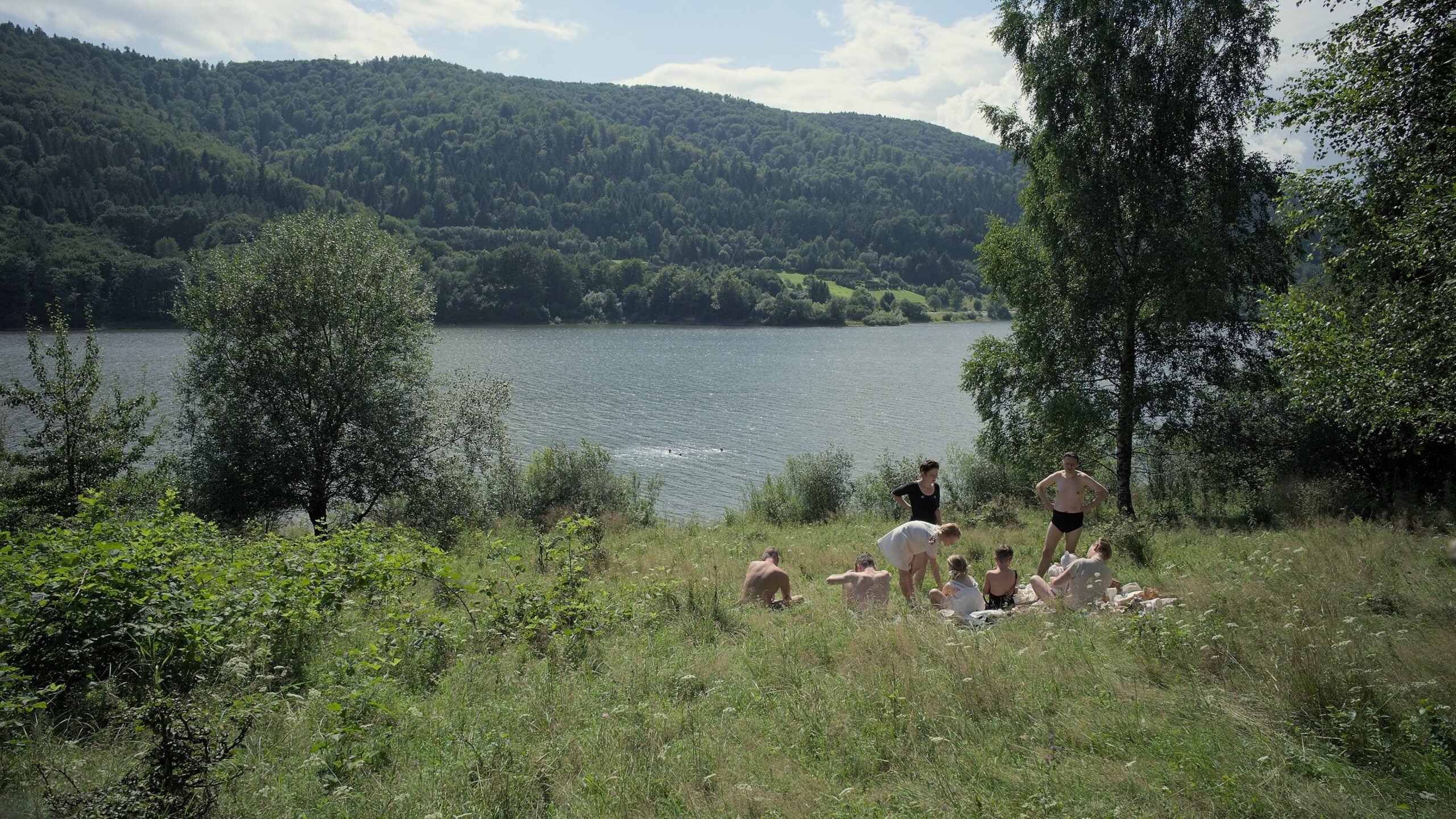
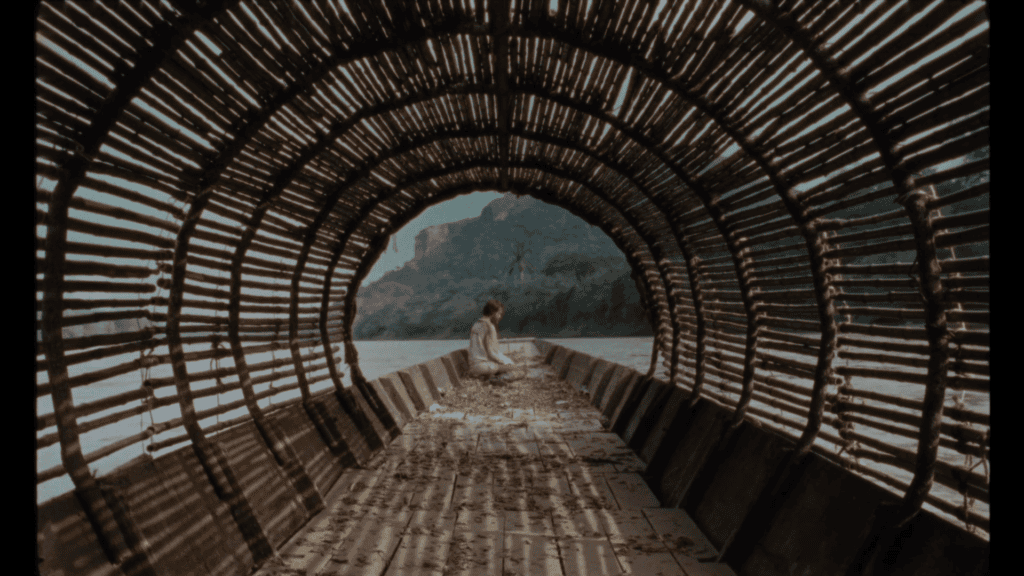
O começo de In All My Journeys I Am Returning, de Manuel Ponce, mostra um rio seguindo seu curso da esquerda para a direita, acompanhando inclusive a maneira como nós, ocidentais, aprendemos a escrever e, consequentemente, a interpretar as imagens. A direção do movimento nos parece ainda mais natural reforçada por estarmos vendo a natureza enquanto segue o seu curso. Mas a imagem é imediatamente justaposta à de uma mulher em uma motocicleta que se deslocam no sentido contrário, da direita para a esquerda, como se o filme opusesse, desde seus primeiros instantes, a natureza ao progresso. De um lado, o fluxo contínuo do Rio Magdalena; de outro, o do meio de transporte pós-industrial. É nesse movimento que os suecos Karl e Petronella iniciam sua viagem pela Colômbia do início do século XIX, em busca de uma mina de ouro (de tolos) que promete as riquezas de um novo Eldorado. No entanto, essa aventura em direção a um objetivo claro rapidamente se transforma em uma experiência existencial e sensorial sobre a impossibilidade de chegar a lugar algum.
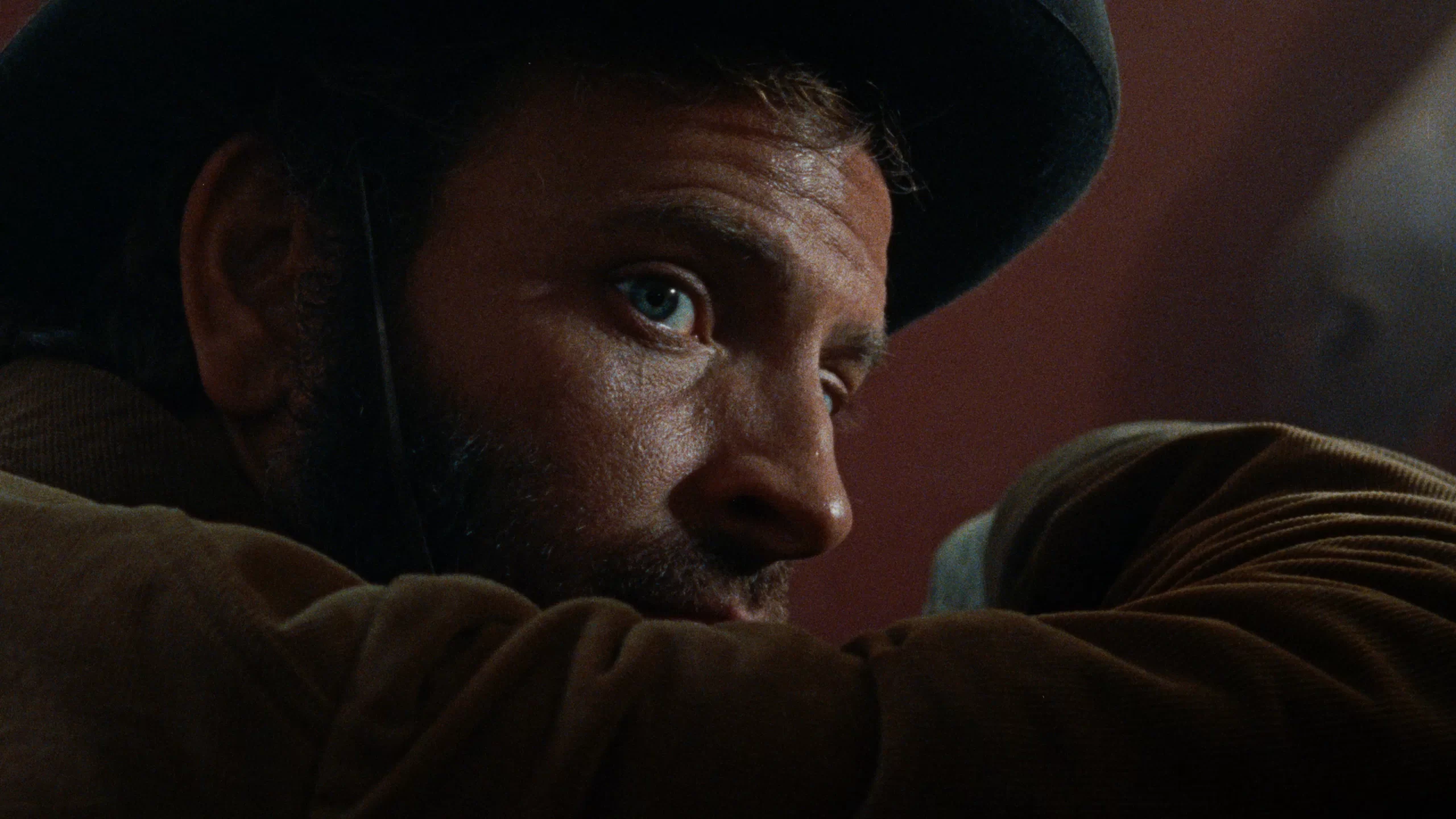
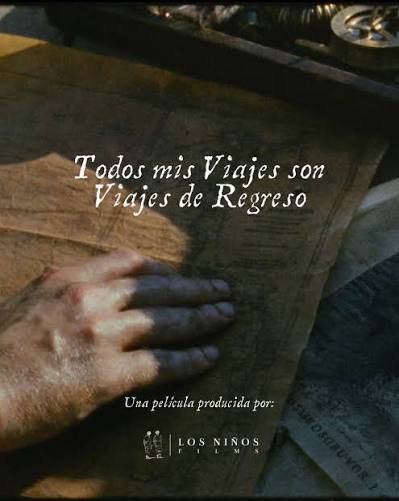
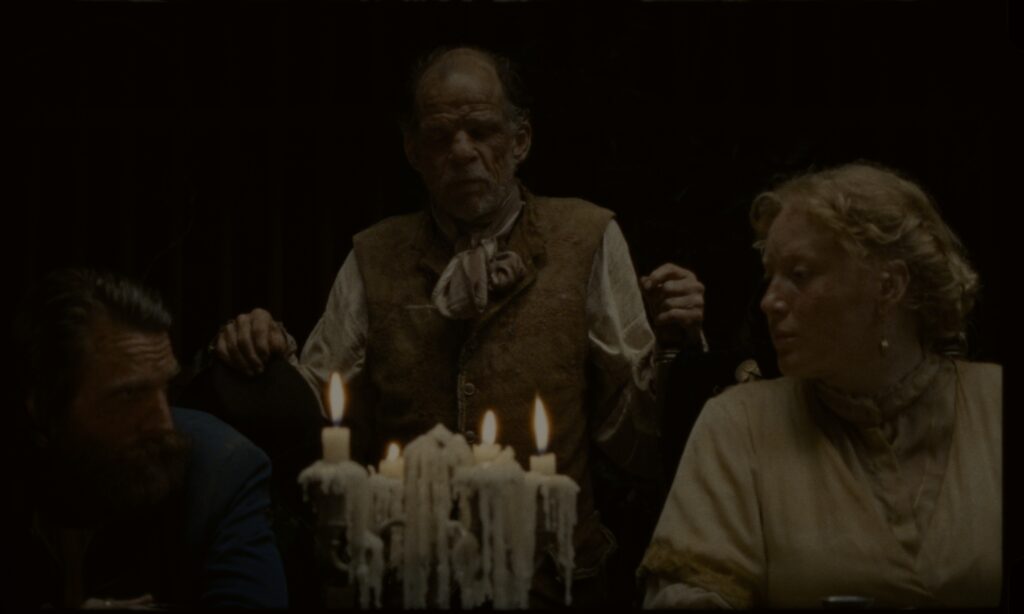
Ponce acompanha o casal sueco por uma paisagem que parece progressivamente abrir mão de suas referências geográficas e eludir seus aventureiros. O rio deixa de ser simplesmente o caminho e passa a serpentear como uma espécie de matéria prima da narrativa, conduzindo os personagens por um território em que passado e presente, desejos e frustrações começam a se confundir, enquanto os mapas de Karl se tornam cada vez mais inúteis. Eles encontram outros viajantes, um deles performado soberbamente por Denis Lavant, como se o território atravessado fosse habitado por personagens incapazes de reencontrar o lugar ao qual deveriam pertencer. Alguns até conseguem aceitar o jugo; outros, parecem enlouquecer. A arrogância do estrangeiro em dominar um território dito “selvagem” se revela a submissão deles à natureza.
Por isso, a narrativa está menos interessado na aventura de uma expedição do que na experiência sensorial de se perder. A narrativa se dilui dentro da andança e errância. O que seria uma aventura em busca de algo se torna uma forma de deriva. Os dias e as noites, uma imagem recorrente, repetem-se e o tempo perde a sua forma ou, até mesmo, torna-se anacrônico. A relação entre homem e natureza deixa de ser só ameaça, obstáculo e decoração cênica, para colocar em crise a ideia de civilização. Eu lembrei do recente Los colonos, e especialmente de O Abraço da Serpente, mas poderia enumerar tantos outros filmes em que estrangeiros, ou não, passeiam pelo nosso continente e se perdem neles mesmos.
A dimensão poética é ainda melhor quando graças à edição sonora. Ponce constrói uma paisagem sonora em que os silêncios possuem formas próprias, porque não existe, afinal de contas, um silêncio igual ao outro. Alguns são breves interrupções; outros parecem crescer e ocupam o espaço entre Karl e Petronella. Um silêncio conjugal, quando os dois viram as costas um para o outro, desejam desejos não comuns e frustram-se diferentemente com as expectativas que os levaram até aquele lugar. O silêncio entre eles acaba determinando a narrativa, tornando-se a sua própria maneira uma forma de se perder. Os sons não preenchem o não dito. Nas mãos de Ponce – claro, logo penso em como Lucrecia Martel trabalha a paisagem sonora -, o silêncio é uma maneira de narrar.
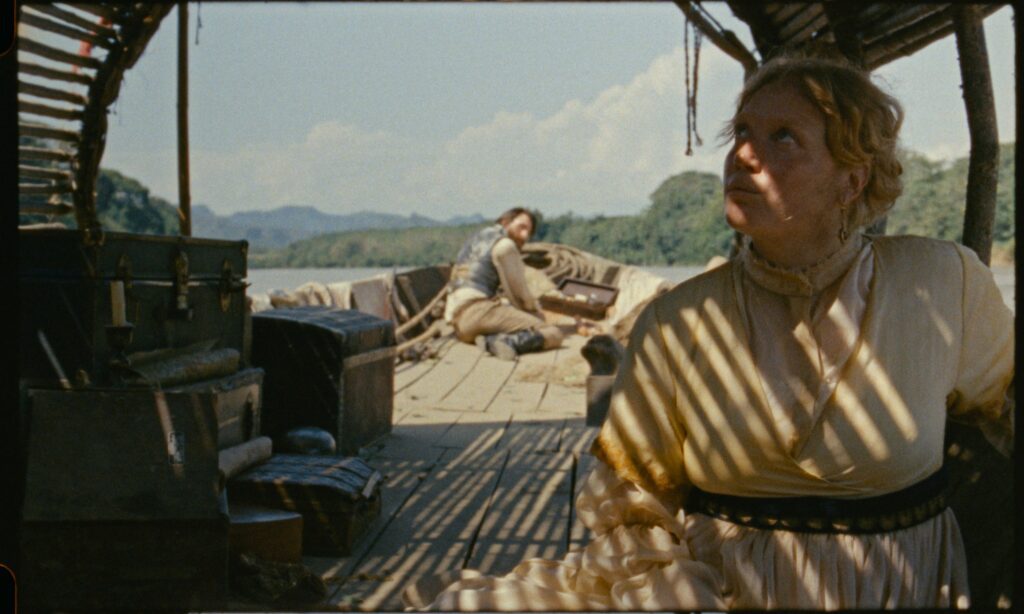
Como o diretor recusa o ato de completar as lacunas ou o sentido, a natureza acaba se tornando co-autora. O som do vento aparece em diferentes intensidades; a água possui seus ritmos; os ruídos da natureza atravessam idiomas – igual faz o filme – e constituem em uma espécie de linguagem pretérita à fala. Essa opção dà à viagem dos viajantes um caráter meio hipnótico, em que vozes e sussurros substituem a confiança de Karla na razão e nos mapas. Mas o filme parece saber desde o princípio que os mapas não serão suficientes para explicar aquele mundo; os personagens, não.
Essa perda progressiva de controle também ajuda a compreender o título. Ponce deixou a Colômbia para viver na Alemanha, e depois de algum tempo, reencontrou acidentalmente a poesia de Léon De Greiff que lhe havia sido apresentado pelo pai. Essa coincidência é interessante porque modifica a ideia de retorno de uma dimensão puramente geográfica para uma experiência de memória. É como se todo o movimento para frente – da esquerda para direita – carregasse secretamente o desejo de voltar a alguma coisa não dita, mesmo a algum momento vivido e desconhecido por nós.
A consequência dramática nisso tudo é que o destino não é o ouro que Karl procura, não é o relacionamento que Petronella anseia, é o fracasso da expedição por riquezas e progresso, é o fracasso da manutenção de uma relação afetiva com os dias contados. O fracasso é a chegada, no fim das contas. Não é uma viagem geográfica ou etnográfica, é uma viagem existencial e espiritual. À sua forma, o rio de Magdalena termina conduzindo os personagens, mas não os leva necessariamente para algum destino; ele os desorienta e os separa.
A natureza não é vencida, a riqueza não é encontrada e a razão não consegue organizar aquilo que não é só racional. Permanecem os sons, os fragmentos e essa sensação de que viajar pode significar perder a bússola que nos permitia acreditar que sabíamos para onde estávamos indo. Quando Karl e Petronella desaparecem na paisagem, In All My Journeys I Am Returning completa o seu movimento derradeiro: após tanto procurar um caminho de ida, o filme descobre que talvez todo caminho seja também uma tentativa impossível de retornar. De fato, o rio no qual banhamos duas vezes nunca é o mesmo rio, porque não só suas águas mudaram ou nós mudamos, mas porque seu caminho transformou-se.
In All My Journeys I Am Returning tem estreia mundial no 79º Festival de Cinema de Locarno 2026.
Losing Yourself in Nature to Find the Way Back
The beginning of In All My Journeys I Am Returning, by Manuel Ponce, shows a river following its course from left to right, even echoing the way we Westerners learn to write and, consequently, to interpret images. The direction of the movement seems even more natural because we are watching nature following its own course. But the image is immediately juxtaposed with that of a woman on a motorcycle moving in the opposite direction, from right to left, as if the film were opposing nature and progress from its very first moments. On one side, the continuous flow of the Magdalena River; on the other, that of a post-industrial means of transportation. It is through this movement that the Swedes Karl and Petronella begin their journey through early-19th-century Colombia, in search of a gold mine (a fool’s gold mine) that promises the riches of a new El Dorado. Yet this adventure toward a clear objective quickly becomes an existential and sensory experience about the impossibility of arriving anywhere.
Ponce follows the Swedish couple through a landscape that seems progressively to relinquish its geographical references and elude its adventurers. The river ceases to be simply a path and begins to wind like a kind of raw material for the narrative, leading the characters through a territory where past and present, desires and frustrations, begin to blur, while Karl’s maps become increasingly useless. They encounter other travelers, one of them superbly performed by Denis Lavant, as if the territory they cross were inhabited by characters unable to find their way back to the place where they are supposed to belong. Some even manage to accept the yoke; others seem to lose their minds. The arrogance of the foreigner attempting to dominate a supposedly “wild” territory reveals itself in their submission to nature.
For this reason, the narrative is less interested in the adventure of an expedition than in the sensory experience of getting lost. The narrative dissolves into wandering and errancy. What would be an adventure in search of something becomes a form of drifting. Days and nights, a recurring image, repeat themselves, and time loses its shape or even becomes anachronistic. The relationship between man and nature ceases to be merely a threat, obstacle, or scenic decoration, and instead puts the very idea of civilization into crisis. I was reminded of the recent Los colonos, and especially of Embrace of the Serpent, but I could name so many other films in which foreigners, or not, wander through our continent and end up losing themselves within it.
The poetic dimension becomes even stronger through the sound editing. Ponce constructs a soundscape in which silences have their own shapes, because, after all, no silence is the same as another. Some are brief interruptions; others seem to grow and occupy the space between Karl and Petronella. A conjugal silence emerges when the two turn their backs on each other, desire different things, and become frustrated in different ways by the expectations that brought them to this place. The silence between them ultimately determines the narrative, becoming, in its own way, another form of getting lost. The sounds do not fill in what remains unsaid. In Ponce’s hands — and I immediately think of the way Lucrecia Martel works with the soundscape — silence becomes a way of narrating.
Because the director refuses to complete the gaps or impose meaning, nature eventually becomes a co-author. The sound of the wind appears in different intensities; the water has its own rhythms; the sounds of nature cross languages — just as the film does — and constitute a kind of language that predates speech. This choice gives the travelers’ journey a somewhat hypnotic quality, in which voices and whispers replace Karl’s faith in reason and maps. But the film seems to know from the beginning that maps will never be enough to explain this world; neither will the characters.
This progressive loss of control also helps us understand the title. Ponce left Colombia to live in Germany and, after some time, accidentally encountered again the poetry of León de Greiff, which had been introduced to him by his father. This coincidence is interesting because it shifts the idea of return from a purely geographical dimension toward an experience of memory. It is as if every movement forward — from left to right — secretly carried the desire to return to something unspoken, even to some moment lived and unknown to us.
The dramatic consequence of all this is that the destination is not the gold Karl seeks, nor the relationship Petronella longs for. It is the failure of the expedition in search of wealth and progress; it is the failure to maintain an emotional relationship with days that were already numbered. Failure is the arrival, after all. This is not a geographical or ethnographic journey, but an existential and spiritual one. In its own way, the Magdalena River carries the characters along, but does not necessarily take them toward any destination; it disorients them and separates them.
Nature is not conquered, wealth is not found, and reason cannot organize what is not merely rational. What remains are the sounds, the fragments, and the sensation that traveling can mean losing the compass that allowed us to believe we knew where we were going. When Karl and Petronella disappear into the landscape, In All My Journeys I Am Returning completes its final movement: after spending so much time searching for a way forward, the film discovers that perhaps every path is also an impossible attempt to return. Indeed, the river in which we bathe twice is never the same river, not only because its waters have changed or because we have changed, but because its course itself has transformed.
In All My Journeys I Am Returning premieres at the 79th Locarno Film Festival 2026.

Crítico de cinema filiado a Critics Choice Association, à Associação Brasileira de Críticos de Cinema, a Online Film Critics Society e a Fipresci. Atuou no júri da 39ª Mostra Internacional de Cinema em São Paulo/SP, do 12º Fest Aruana em João Pessoa/PB, do 24º Tallinn Black Nights Film na Estônia, do 47º TIFF – Festival Internacional de Cinema em Toronto. Ministrante do Laboratório de Crítica Cinematográfica na 1ª Mostra Internacional de Cinema em São Luís (MA) e Professor Convidado do Curso Técnico em Cinema do Instituto Estadual do Maranhão (IEMA), na disciplina Crítica Cinematográfica. Concluiu o curso de Filmmaking da New York Film Academy, no Rio de Janeiro (RJ) em 2013. Participou como co-autor dos livros 100 melhores filmes brasileiros (Letramento, 2016), Documentário brasileiro: 100 filmes essenciais (Letramento, 2017) e Animação Brasileira – 100 Filmes Essenciais (Letramento, 2018). Criou o Cinema com Crítica em fevereiro de 2010 e o Clube do Crítico em junho de 2020.