
Crítica em português
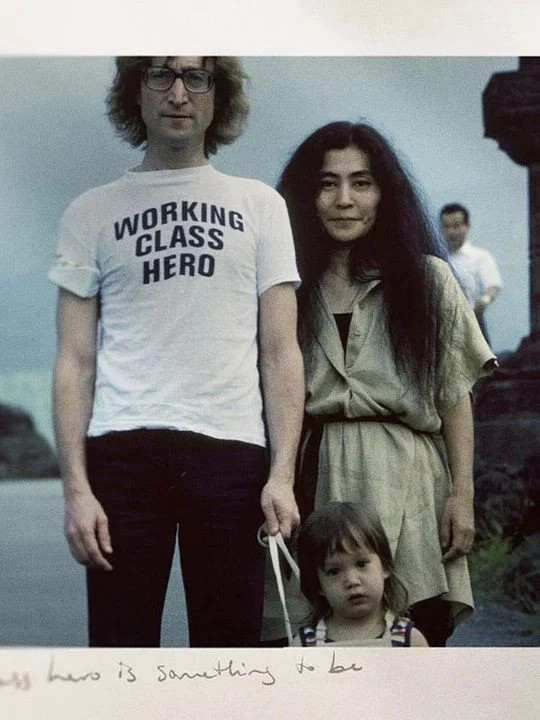
No dia 8 de dezembro de 1980, John Lennon e Yoko Ono sentaram-se com os jornalistas Laurie Kaye, Run Hummel e Bert Keane para uma entrevista de rádio, depois de o ex-Beatle ter concedido sua última grande entrevista cerca de sete anos antes. Desde então, além de ter fabricado, proposital ou acidentalmente, uma personalidade refratária à imprensa escrita, Lennon, juntamente com Ono, passou a ser encarado de maneira negativa. Ele, como o homem enfeitiçado; ela, como a feiticeira. E John Lennon: The Last Interview registra as opiniões derradeiras de Lennon e Ono sobre um amplo espectro de temas, porque, como talvez você tenha percebido, a data da entrevista coincide com a data de seu assassinato.
Apesar de a entrevista ter sido organizada para conversar sobre o lançamento do álbum Double Fantasy, lançado no mês anterior, Lennon e Ono sentiram-se à vontade para conversar com os entrevistadores sobre muitos assuntos pessoais e profissionais: os Beatles, a maneira como o casal se conheceu e se apaixonou, entre outros temas. E Lennon, contrariando as expectativas dos entrevistadores, é um entrevistado do tipo mais generoso, dando respostas bastante expandidas e aprofundadas sobre os assuntos, puxando outros e dando àquele momento o caráter de um bate-papo horizontal, mais do que o de um tradicional perguntas e respostas.
Lennon não poupa elogios a Paul McCartney e até ironiza aquelas pessoas que apontavam as brigas como o motivo do término da banda; também elogia Ono e recorda o fato de terem permanecido juntos por mais tempo do que durou os Beatles. Da parte dela, há também um comentário bem-humorado sobre ter sido a responsável pelo término da banda. Esses temas – justamente aqueles que fãs e revistas de fofoca adorariam transformar em manchetes – caminham lado a lado com reflexões e revelações que não são necessariamente reveladoras. Da erudição musical de Lennon, que fala de blues a disco, à sua reflexão sobre o papel do artista como reflexo da sociedade, ou à sua crítica à mitomania e ao fato de os fãs colocarem os ídolos em pedestais apenas para, depois, terem o prazer de derrubá-los, são temas de uma conversa que atravessa a arte contemporânea (pop, avant-garde), o encontro de duas mentes criativas e questões que se misturam às músicas de fundo da trilha sonora.
Essas reflexões são acompanhadas por imagens de arquivo – fotos e vídeos de Lennon, Ono, dos Beatles, ou mesmo de registros históricos que os precedem – e… respire fundo… imagens criadas por inteligência artificial. E não que eu já não soubesse disso antes de ter escolhido assistir ao documentário; é que estava curioso para saber o que o diretor Steven Soderbergh (de Sexo, Mentiras e Videotape e Traffic) faria com essa tecnologia que tem sido divisora de águas dentro da sociedade e, particularmente, da indústria cinematográfica contemporânea. A priori, tive a impressão de ser somente o cineasta conhecido por seu experimentalismo explorando a tecnologia aplicada ao documentário, como fizera anteriormente com a direção de fotografia em telefones celulares, por exemplo.
As imagens artificialmente criadas procuram ilustrar certos pontos da narrativa. Algumas delas criam momentos interessantes ou peculiares, como quando Soderbergh retrata a arte como espelho da sociedade. Mas, na maioria dos casos, as imagens são redundantes e até infantis, como quando homens das cavernas, saídos da capa de revistas de beleza, posam diante de um cenário pré-histórico. Diferentemente das imagens e vídeos de arquivo, as imagens artificialmente criadas parecem mexer em circuitos específicos do cérebro e criar uma sensação de distanciamento pelo estranhamento, colocando a entrevista final em segundo plano em favor da experimentação tecnológica. Em vez de ter me concentrado no que Lennon e Ono tinham a dizer, estava tentando articular ideias e olhares às imagens artificiais.
Ao tentar ilustrar parcialmente a entrevista – disponível apenas em áudio – com imagens artificiais, Soderbergh não ilustra nem complementa: cria mais uma camada de resistência à apreensão e à compreensão de reflexões que, em muitos casos, duram minutos. Se já é comum que o ouvinte ou espectador se perca no fluxo de pensamento de um interlocutor que se estende demasiadamente nas respostas, isso se torna ainda mais grave em se tratando de um documentário que estimula o olhar e o cérebro não à concentração, mas à dispersão. Tal artificialidade compromete o esforço cognitivo do público em benefício de um regime visual que pode até estar conceitualmente inspirado na arte psicodélica e experimental de ambos os artistas, mas que termina por ironizar o início da entrevista, quando Ono pede que voltemos a ser humanos e deixemos de ser máquinas.
Aqui é onde entra o aspecto ético que jamais deve abandonar o pensamento crítico. Independentemente do valor imagético da criação artificial – há algumas de que gosto, como aquela em que o movimento das pessoas ou dos carros é atrapalhado e impedido pelo petróleo; há outras de que desgosto, como a de mulheres com cabeças de flores que depois se revelam chapéus -, para cada sequência criada, profissionais da arte (atores, diretores de fotografia, animadores, supervisores de efeitos especiais etc.) são substituídos por comandos. E a mente criativa, ou “criativa”, pode até permanecer intacta no autor Soderbergh, mas muitos dos demais profissionais não. E antes que alguém mencione o avanço das tecnologias e a necessidade de adaptação da massa de trabalhadores da arte, citando a industrialização ou a modernização de processos de trabalho como exemplos, o fato é que artistas fariam um trabalho melhor do que aquele não propriamente criado, mas apropriado por máquinas.
É aí que entra outro aspecto ético. As imagens oriundas dos comandos não são pensadas por máquinas, mas processadas a partir de uma base de dados de artistas, ilustradores etc. Nada do que é apresentado como criação é criação de fato; é uma interpretação de um material vasto, uma interpolação de estilos, uma combinação do que há disponível na internet – que, não, não é terra de ninguém. E mesmo que, depois, alguém revele que as imagens criadas foram processadas – termo mais adequado – a partir dos esforços de artistas licenciados, de pessoas que autorizaram o uso de sua imagem, ainda assim o filme funciona como um contraexemplo para artistas jovens, do mesmo jeito que Soderbergh já foi um farol para artistas independentes quando lançou o já mencionado Sexo, Mentiras e Videotape ou quando experimentou com celulares em Unsane.
O retrogosto mais amargo, porém, não é tecnológico, mas corporativo. O filme é uma espécie de garoto-propaganda do desenvolvimento de inteligência artificial da empresa Meta. E se o espectador provavelmente ignoraria o filme caso tivesse sido dirigido por um cineasta sem renome, e sobre um tema ou um biografado menos relevante, por ser dirigido por Steven Soderbergh e tratar de John Lennon e Yoko Ono, o documentário certamente atrairá um público que não teria em circunstâncias normais. Ao fazê-lo, inicia um processo de normalização do uso da tecnologia; um que não é apenas lateral, mas transversal e, muitas vezes, central à obra. As pessoas vão ver um filme de Soderbergh, ou um filme sobre Ono e Lennon, e receberão como presente de grego imagens artificiais que, aos poucos, penetram nas nossas resistências cerebrais para, com método e paciência, transformar-nos em espectadores menos humanos e mais máquinas.
Que essa abjeção tenha sido dirigida por um homem tão importante para o estabelecimento do cinema indie estadunidense como o conhecemos hoje é a ironia mais trágica.
O filme está em exibição no Festival de Cannes 2026.
English review
On December 8, 1980, John Lennon and Yoko Ono sat down with journalists Laurie Kaye, Run Hummel, and Bert Keane for a radio interview, after the former Beatle had given his last major interview around seven years earlier. Since then, beyond having deliberately or accidentally fabricated a personality resistant to the written press, Lennon, alongside Ono, had come to be perceived negatively. He, as the man who had been bewitched; she, as the witch. And John Lennon: The Last Interview records the final opinions of Lennon and Ono across a broad spectrum of subjects because, as you may already have noticed, the date of the interview coincides with the date of his murder.
Although the interview had been arranged to discuss the release of the album Double Fantasy, which had come out the previous month, Lennon and Ono felt comfortable speaking with the interviewers about numerous personal and professional matters: the Beatles, the way the couple met and fell in love, among many other subjects. And Lennon, contrary to the interviewers’ expectations, proves to be the most generous kind of interviewee, offering lengthy and deeply developed answers about the topics at hand, branching into others, and giving the moment the character of a horizontal conversation rather than that of a traditional question-and-answer session.
Lennon spares no praise for Paul McCartney and even mocks those who claimed that internal fights had been the reason for the band’s breakup; he also praises Ono and recalls the fact that they remained together longer than the Beatles themselves lasted. On her part, there is also a humorous remark about having been responsible for the end of the band. These subjects – precisely the kind that fans and gossip magazines would love to turn into headlines – walk side by side with reflections and revelations that are not necessarily revelatory. From Lennon’s musical erudition, as he moves from blues to disco, to his reflections on the role of the artist as a mirror of society, or his criticism of mythmaking and of the way fans place idols on pedestals only to later take pleasure in tearing them down, these are subjects that traverse contemporary art (pop, avant-garde), the meeting of two creative minds, and themes that blend into the soundtrack’s background songs.
These reflections are accompanied by archival images – photos and videos of Lennon, Ono, the Beatles, or even historical records that predate them – and… take a deep breath… images created through artificial intelligence. And it is not that I was unaware of this before choosing to watch the documentary; rather, I was curious to see what director Steven Soderbergh (of Sex, Lies, and Videotape and Traffic) would do with this technology that has become such a dividing line within society and, particularly, within the contemporary film industry. At first, I had the impression that this was simply the filmmaker known for experimentation experimenting with technology applied to documentary filmmaking, just as he had previously done with cinematography shot on mobile phones, for instance.
The artificially created images attempt to illustrate certain points of the narrative. Some of them create interesting or peculiar moments, such as when Soderbergh portrays art as a mirror of society. But in most cases, the images are redundant and even childish, like cavemen seemingly lifted from the cover of beauty magazines posing in front of a prehistoric landscape. Unlike archival footage and photographs, the artificially created images seem to activate specific circuits of the brain and produce a sensation of estranged distancing, pushing the final interview into the background in favor of technological experimentation. Instead of concentrating on what Lennon and Ono had to say, I found myself trying to articulate thoughts and interpretations around the artificial imagery.
By attempting to partially illustrate the interview – available only in audio form – with artificial imagery, Soderbergh neither illustrates nor complements it: he creates another layer of resistance against the apprehension and comprehension of reflections that, in many instances, last for several minutes. If it is already common for listeners or viewers to lose themselves within the stream of thought of an interlocutor who extends answers excessively, this becomes even more severe in the case of a documentary that stimulates the eye and the brain not toward concentration, but toward dispersion. Such artificiality compromises the audience’s cognitive effort in favor of a visual regime that may indeed be conceptually inspired by the psychedelic and experimental art of both artists, yet ultimately ironizes the beginning of the interview, when Ono asks that we become human again and cease to be machines.
This is where the ethical dimension – which critical thought must never abandon – enters the discussion. Regardless of the imagistic value of artificial creation – there are some images I appreciate, such as the one in which the movement of people or cars is obstructed by oil; there are others I dislike, such as the women whose flower heads later reveal themselves to be hats – for every created sequence, art professionals (actors, cinematographers, animators, visual effects supervisors, and others) are replaced by commands. And the creative, or “creative,” mind may remain intact within author Soderbergh, but many of the others do not. And before someone invokes technological progress and the need for adaptation among the masses of artistic workers, citing industrialization or the modernization of labor processes as examples, the fact remains that artists would have produced work superior to that which was not properly created, but appropriated by machines.
This is where another ethical issue emerges. The images generated through prompts are not conceived by machines, but processed from databases composed of artists, illustrators, and countless others. Nothing presented as creation is creation in any genuine sense; it is an interpretation of vast material, an interpolation of styles, a recombination of what already exists on the internet – which, no, is not a lawless territory. And even if, later on, someone reveals that these generated images were processed – a more accurate term – using the efforts of licensed artists or people who authorized the use of their likenesses, the film still functions as a counterexample for young artists, in much the same way that Soderbergh himself once served as a beacon for independent artists when he released the already mentioned Sex, Lies, and Videotape or experimented with mobile phones in Unsane.
The bitterest aftertaste, however, is not technological, but corporate. The film becomes a sort of promotional vehicle for the artificial intelligence development of Meta. And while viewers would probably ignore the film had it been directed by a filmmaker without prestige, or centered on a less relevant subject or biographical figure, because it is directed by Steven Soderbergh and concerns John Lennon and Yoko Ono, the documentary will inevitably attract an audience it otherwise would never have reached. In doing so, it initiates a process of normalization regarding the use of the technology; one that is not merely lateral, but transversal and often central to the work itself. People will watch a Soderbergh film, or a film about Ono and Lennon, and receive as a Greek gift artificial images that gradually penetrate our cerebral resistances in order, through patience and method, to transform us into spectators who are less human and more machine.
That this abjection should have been directed by a man so important to the establishment of American independent cinema as we know it today is the most tragic irony of all.

Crítico de cinema filiado a Critics Choice Association, à Associação Brasileira de Críticos de Cinema, a Online Film Critics Society e a Fipresci. Atuou no júri da 39ª Mostra Internacional de Cinema em São Paulo/SP, do 12º Fest Aruana em João Pessoa/PB, do 24º Tallinn Black Nights Film na Estônia, do 47º TIFF – Festival Internacional de Cinema em Toronto. Ministrante do Laboratório de Crítica Cinematográfica na 1ª Mostra Internacional de Cinema em São Luís (MA) e Professor Convidado do Curso Técnico em Cinema do Instituto Estadual do Maranhão (IEMA), na disciplina Crítica Cinematográfica. Concluiu o curso de Filmmaking da New York Film Academy, no Rio de Janeiro (RJ) em 2013. Participou como co-autor dos livros 100 melhores filmes brasileiros (Letramento, 2016), Documentário brasileiro: 100 filmes essenciais (Letramento, 2017) e Animação Brasileira – 100 Filmes Essenciais (Letramento, 2018). Criou o Cinema com Crítica em fevereiro de 2010 e o Clube do Crítico em junho de 2020.