
Crítica em português
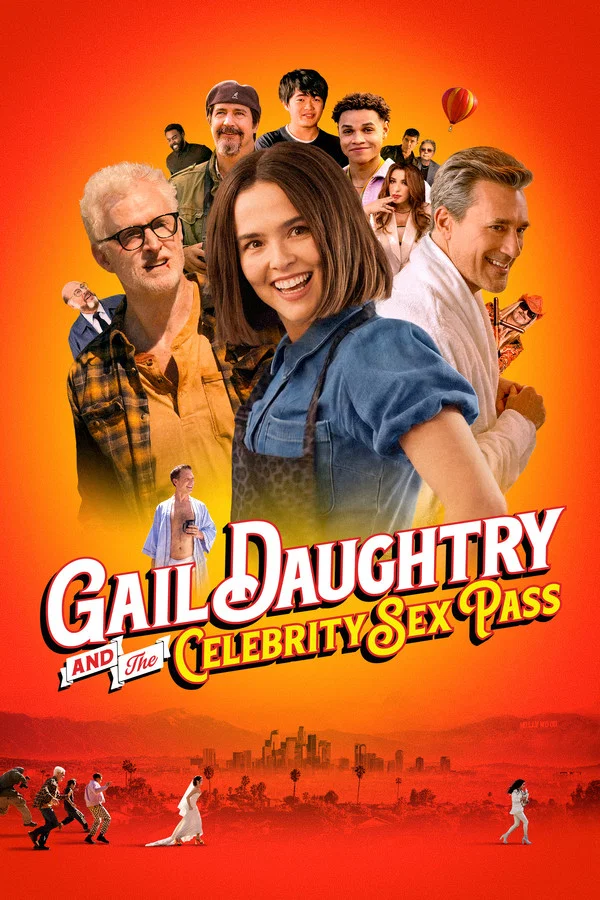
Quando a personagem-título interpretada por Zoey Deutch, acompanhada de seu melhor amigo, Otto, chegam à Los Angeles para uma apresentação de um cabeleireiro famoso, a comédia de humor ácido do diretor e corroterista David Wain me levou ao início da década, quando tive a oportunidade de visitar Los Angeles pela primeira vez. Mas diferente da Los Angeles onde os sonhos se realizam, onde as celebridades circulam ao alcance do olhar ou onde qualquer esquina pode servir de ponto de partida para uma transformação pessoa, a cidade que conheci foi outra. Uma criada para automóveis e mansões, não para pessoa, marcada por desigualdade e abandono humano, uma bem distante da fantasia produzida pelos estúdios de cinema. Este Gail Daughtry and the Celebrity Sex Pass nasce justamente desse encontro entre fantasia e realidade, embora demonstre muito mais interesse pela primeira do que pela segunda.
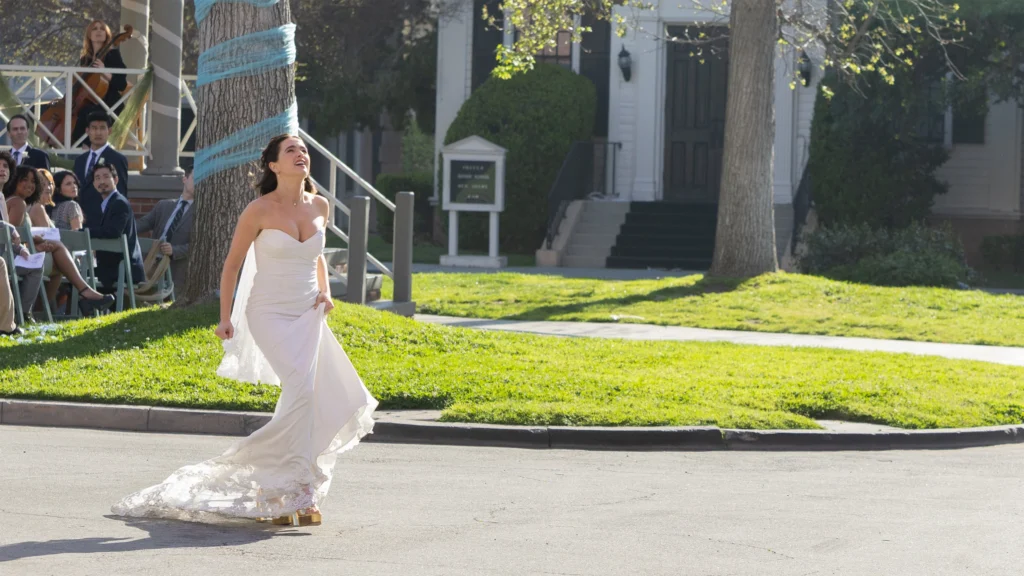
A premissa concebida por Wain e Ken Marino parte de uma ideia propositadamente absurda e irreverente: Gail, uma cabeleireira prestes a se casar, descobre que o seu noivo levou a sério um acordo segundo o qual ambos teriam autorização para transar com uma celebridade específica caso a oportunidade surgisse. E ela surge depois de Jennifer Aniston aparecer na cidadezinha onde moram para lançar seu livro de culinária. Em resposta, Gail embarca numa viagem para Los Angeles determinada a equilibrar a balança, encontrando seu próprio passe livre: o ator Jon Hamm (de Mad Men). A busca pelo ator transforma-se numa odisseia povoada por agentes, paparazzi, mafiosos italianos e encontros improváveis. Ou em uma busca através da estrada de tijolos amarelos de O Mágico de Oz.
A premissa funciona como uma metáfora quase involuntária para a própria Hollywood. Afinal, Gail não busca apenas um ator famoso; ela persegue uma ideia. Uma imagem construída pela cultura pop e amplificada por décadas de especialização da indústria cinematográfica. Em uma era em que redes sociais criaram a ilusão de proximidade entre espectadores e celebridades, o filme leva essa fantasia às últimas consequências ao imaginar que estrelas de cinema (e ainda existem estrelas de cinemas?) são figuras acessíveis, disponíveis e alcançáveis por qualquer pessoa suficientemente determinada.
Essa é a primeira camada de uma narrativa construída sobre as ilusões que criamos ou que são criadas para nós. A segunda camada está na representação de Los Angeles como uma espécie de processador de sonhos, uma Oz contemporânea. Ao longo de uma jornada cheia de alternativas, Gail atravessa situações que pertencem a gêneros distintos: há momentos de comédia romântica, outros que flertam com a violência cartunesca de um filme de Quentin Tarantino, há passagens que lembram um faroeste e até incursões em territórios próximos ao cinema de máfia. Como se a cidade absorvesse todos esses imaginários produzidos por Hollywood e os devolvesse aos personagens já em versões pré-fabricadas de si mesmos.
Por essa razão que o roteiro é pensado de uma forma deliberadamente clichê. O tema das malas trocadas, os encontros inesperados, as coincidências e os desvios funcionam como motores da trama mas, sobretudo, manifestações de um universo onde a lógica cotidiana foi substituída pela lógica da fantasia. A narrativa lembra-nos continuamente que estamos habitando uma fábrica de sonhos e ilusões. E está tudo bem. Por isso não nos importamos quando o mesmo capanga surge após ter “morrido”, como se fosse um capanga diferente. É que a grana para a contratação deve ter acabado.
Assim, embora David Wain jamais transforme seus personagens em equivalentes diretos das figuras de O Mágico de Oz, torna-se difícil ou impossível ignorar os paralelos com a história fantástica de Dorothy que desperta na cidade mítica. Só que, em vez de percorrer a estrada de tijolos amarelos, Gail canubga na Sunset Blvd. pavimentada pela mitologia hollywoodiana. É onde encontra personagens que remetem simbolicamente a alguns arquétipos da indústria: o agente visionário, o paparazzi à procura da sua baleia branca, o ator que viveu a glória passada. Neste cenário, Otto é o Toto da jornada – não vou mencionar a conclusão óbvia que há entre os nomes dos personagens – o fiel companheiro de Doroth… digo, Gail.
O problema é que todas essas possibilidades encontram um obstáculo difícil de contornar em uma comédia: que o humor funcione bem. E é justamente aí que o filme encontra suas dificuldades. Não porque lhe faltem atores dispostos a se comprometer com a proposta. Pelo contrário. Zoey Deutch continua despejando o carisma que a transformou numa das presenças mais simpáticas de sua geração, enquanto nomes como Jon Hamm e John Slattery parecem genuinamente confortáveis em brincar com as suas personas. Há uma inclinação coletiva ao ridículo que, em tese, deveria alimentar boa parte da graça.
O problema é que isso raramente acontece. Muitas das situações parecem depender exclusivamente da extravagância da premissa, como se o absurdo fosse suficiente para produzir humor por si só. Algumas explosões de violência surgem de forma inesperada, provocam certo estranhamento, mas frequentemente se aproximam mais de um acionador para acordar o espectador de uma narrativa engessada, do que de uma construção capaz de extrair humor do exagero ou do desconforto. É irônico que um filme interessado em ilusões nos dê a fantasia de assistir a uma comédia sem, no entanto, torná-la concreta, igual Los Angeles fez comigo há alguns anos.
Gail Daughtry and the Celebrity Sex Pass permanece uma experiência simpática e curiosa, sustentada por um elenco de nomes famosos que estão dispostos a rir de si. É possível admirar a generosidade com que seus intérpretes abraçam a proposta e até encontrar algumas reflexões sobre celebridade, desejo e projeção que surgem ao longo de seu passeio pela fantasia. Ainda assim, trata-se de um filme que me fez pensar muito mais sobre a natureza das ilusões produzidas por Hollywood do que efetivamente rir delas.
English review
When the title character played by Zoey Deutch, accompanied by her best friend Otto, arrives in Los Angeles for a presentation by a famous hairstylist, director and co-writer David Wain’s acerbic comedy took me back to the beginning of the decade, when I had the opportunity to visit Los Angeles for the first time. But unlike the Los Angeles where dreams come true, where celebrities roam within sight, or where any street corner can become the starting point for personal transformation, the city I encountered was a different one. A city built for automobiles and mansions rather than people, marked by inequality and human neglect, far removed from the fantasy manufactured by the film studios. Gail Daughtry and the Celebrity Sex Pass emerges precisely from this collision between fantasy and reality, although it proves far more interested in the former than the latter.
The premise conceived by Wain and Ken Marino begins with a deliberately absurd and irreverent idea: Gail, a hairstylist about to get married, discovers that her fiancé took seriously an agreement according to which each of them would be allowed to sleep with a specific celebrity should the opportunity ever arise. And that opportunity does arise when Jennifer Aniston appears in their small town to promote her cookbook. In response, Gail embarks on a journey to Los Angeles determined to even the score by finding her own celebrity hall pass: actor Jon Hamm (Mad Men). The search for the actor becomes an odyssey populated by agents, paparazzi, Italian mobsters, and improbable encounters. Or, perhaps more accurately, a journey along The Wizard of Oz’s yellow brick road.
The premise functions as an almost involuntary metaphor for Hollywood itself. After all, Gail is not merely pursuing a famous actor; she is chasing an idea. An image constructed by popular culture and amplified through decades of the film industry’s specialization in manufacturing desire. In an era in which social media has created the illusion of proximity between audiences and celebrities, the film pushes that fantasy to its logical extreme by imagining that movie stars (assuming movie stars still exist) are accessible, available, and attainable to anyone determined enough to reach them.
This constitutes the first layer of a narrative built upon the illusions we create—or that are created for us. The second lies in its depiction of Los Angeles as a kind of dream-processing machine, a contemporary Oz. Throughout a journey filled with detours and alternative paths, Gail passes through situations belonging to different genres: there are moments of romantic comedy, sequences that flirt with the cartoonish violence of a Quentin Tarantino film, passages reminiscent of a western, and even excursions into territory associated with mob cinema. It is as if the city absorbs all these cinematic fantasies produced by Hollywood and returns them to the characters as pre-packaged versions of themselves.
For this reason, the screenplay is constructed in a deliberately clichéd fashion. The mistaken suitcases, unexpected encounters, coincidences, and narrative detours function not only as plot devices but also as manifestations of a universe in which everyday logic has been replaced by the logic of fantasy. The film continually reminds us that we are inhabiting a factory of dreams and illusions. And that is perfectly acceptable. That is why we do not mind when the same henchman reappears after having supposedly “died,” as though he were an entirely different henchman. Presumably the budget for hiring another actor simply ran out.
Thus, although David Wain never turns his characters into direct equivalents of The Wizard of Oz’s iconic figures, it becomes difficult—if not impossible—to ignore the parallels with Dorothy’s fantastic journey into a mythical city. Except that, rather than following the yellow brick road, Gail strolls down a Sunset Boulevard paved by Hollywood mythology. Along the way, she encounters characters who symbolically evoke several industry archetypes: the visionary agent, the paparazzo searching for his white whale, the actor living off past glory. In this scenario, Otto serves as the journey’s Toto—and I will refrain from mentioning the obvious connection between the characters’ names—the faithful companion of Doroth… I mean, Gail.
The problem is that all these possibilities run into an obstacle that is difficult for any comedy to overcome: the humor actually has to work. And this is precisely where the film struggles. Not because it lacks actors willing to commit to the premise. Quite the opposite. Zoey Deutch continues to display the charisma that has made her one of the most likable performers of her generation, while figures such as Jon Hamm and John Slattery seem genuinely comfortable poking fun at their own personas. There is a collective willingness to embrace the ridiculous that, in theory, should fuel much of the film’s comedy.
The problem is that it rarely does. Many situations seem to rely exclusively on the extravagance of the premise, as though absurdity alone were sufficient to generate humor. Occasional bursts of violence arrive unexpectedly and produce a degree of surprise, yet they often function less as comic constructions capable of extracting laughter from exaggeration or discomfort than as mechanisms designed to wake viewers from a rigid and predictable narrative. It is ironic that a film so interested in illusions offers us the fantasy of watching a comedy without ever making that fantasy tangible—the same way Los Angeles did to me a few years ago.
Gail Daughtry and the Celebrity Sex Pass remains an amiable and curious experience, sustained by a cast of recognizable performers willing to laugh at themselves. One can admire the generosity with which the actors embrace the material and even find occasional reflections on celebrity, desire, and projection emerging throughout its journey into fantasy. Still, this is a film that made me think far more about the nature of Hollywood’s illusions than it ever made me laugh at them.

Crítico de cinema filiado a Critics Choice Association, à Associação Brasileira de Críticos de Cinema, a Online Film Critics Society e a Fipresci. Atuou no júri da 39ª Mostra Internacional de Cinema em São Paulo/SP, do 12º Fest Aruana em João Pessoa/PB, do 24º Tallinn Black Nights Film na Estônia, do 47º TIFF – Festival Internacional de Cinema em Toronto. Ministrante do Laboratório de Crítica Cinematográfica na 1ª Mostra Internacional de Cinema em São Luís (MA) e Professor Convidado do Curso Técnico em Cinema do Instituto Estadual do Maranhão (IEMA), na disciplina Crítica Cinematográfica. Concluiu o curso de Filmmaking da New York Film Academy, no Rio de Janeiro (RJ) em 2013. Participou como co-autor dos livros 100 melhores filmes brasileiros (Letramento, 2016), Documentário brasileiro: 100 filmes essenciais (Letramento, 2017) e Animação Brasileira – 100 Filmes Essenciais (Letramento, 2018). Criou o Cinema com Crítica em fevereiro de 2010 e o Clube do Crítico em junho de 2020.