

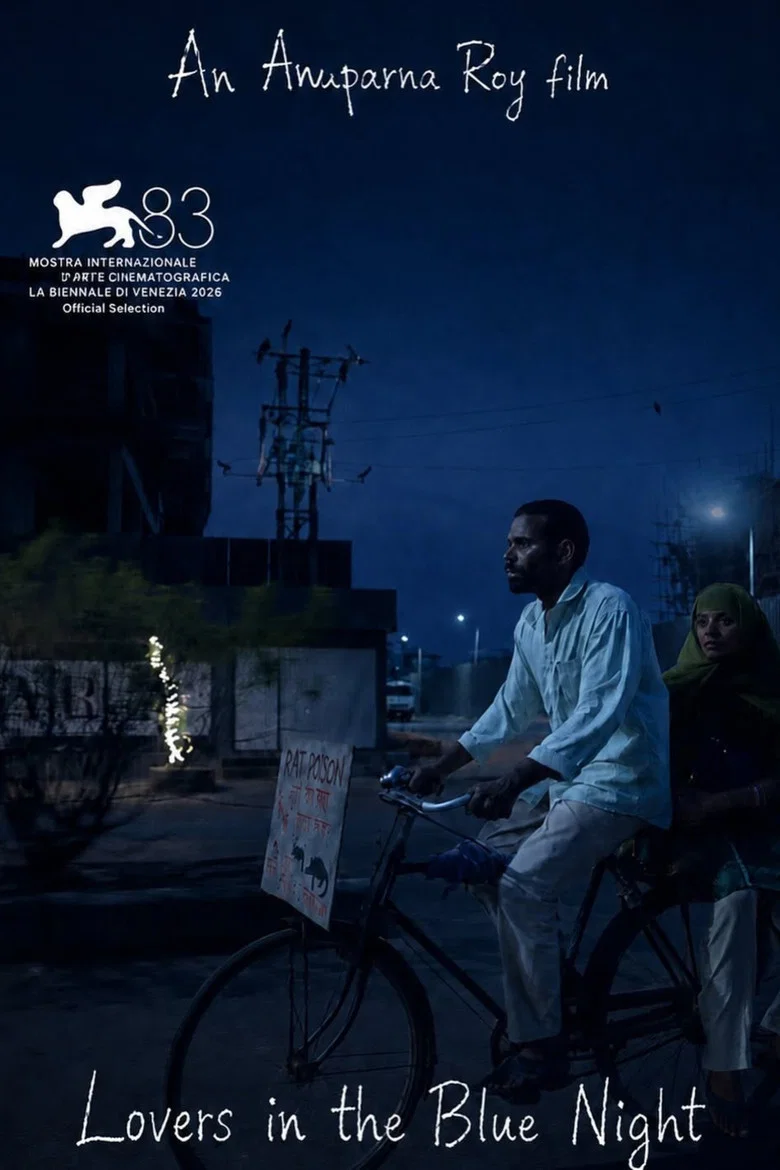
À procura do desejo em uma cidade que não oferece abrigo
Lovers in the Blue Night é um filme desromantizado embora seus personagens insistam em se apegar à alguma forma de romantismo ou idealismo de suas vidas. Escrito e dirigido por Anuparna Roy, o filme mosaico acompanha quatro migrantes nas noites de Mumbai: a muçulmana Ameena (Sharma), que começou a trabalhar no clube noturno Blue Night; o seu marido, Karim (Pilania), secretamente gay e exterminador de ratos durante o dia; Sukka (Shimpi), um ladrão de residências, que tenta escapar da segregação de castas, enquanto se envolve com Karim; e Omran (Sarin), que é o responsável pelas mulheres que trabalham Blue Night. Enquanto esses 4 personagens têm as suas vidas atravessadas por encontros e desencontros, ansiedades e equívocos, a narrativa constrói um melodrama urbano, em que desejo está intrinsecamente associado à sobrevivência.
Essa desromantização de que tratei aparece primeiramente na maneira como Roy filma a pobreza, ou melhor a miséria, das “favelas” ou comunidades onde vivem esses personagens, sempre em contraste com diferentes formas de riqueza: os frequentadores do Blue Night, as residências das áreas mais ricas, as promessas de empreendimentos nas margens da avenida pela qual Karim pedala com Ameena. A metrópole de Mumbai funciona como pano de fundo e engrenagem que aproxima os indivíduos, embora os afaste do pertencimento e da promessa de prosperidade, inclusive de valores mínimos que conferem dignidade a cada um.
E a narrativa comprime, em pouco mais de 100 minutos, uma série de temas que se interconectam, mesmo que de maneira superficial e inespecífica. A questão religiosa está presente no contraste entre muçulmanos e hindus, inclusive na necessidade de negociar nomes em favor de uma cultura dominante. Já as relações entre homens e mulheres são encaradas sob a lente do gênero ou a quem pertence o direito a desejar. Por exemplo, Ameena trabalha em um espaço em que o corpo feminino é uma mercadoria, e o desejo das mulheres costuma ser transacionado em favor do desejo masculino. Há ainda a dimensão de classe e casta que nunca se separa completamente dessas outras questões. Sukka, por exemplo, é um ladrão tentando ascender socialmente e alguém tentando escapar do destino que é definido desde o nascimento. Já Karim é um exterminador de ratos, animais associados à sujeira e aos espaços onde a pobreza se torna visível.
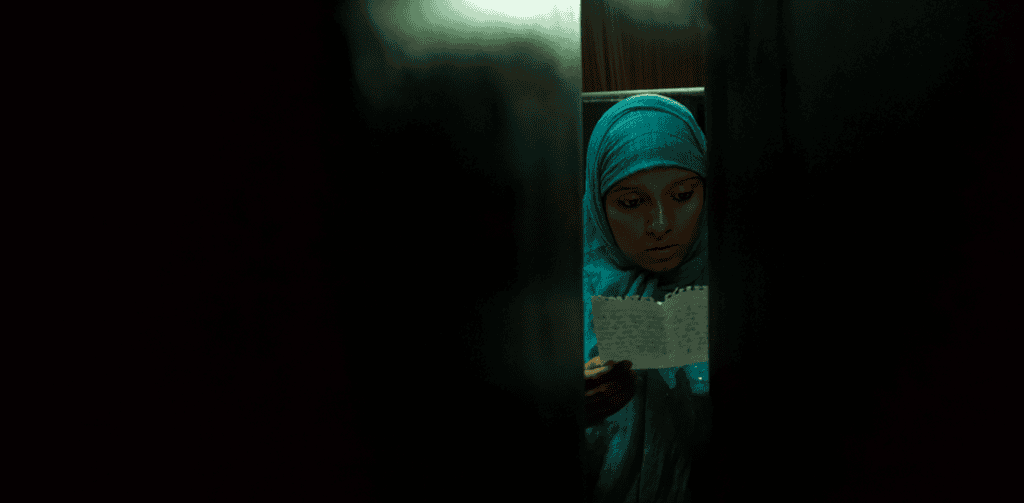
Interconectado a isso, o desejo e a frustração amorosa que movem os personagens. Ameena tenta tocar em Karim, mas não consegue porque o marido não parece desejá-la (algo que só vemos entender perfeitamente mais tarde). A falta de afeto a conduz em direção a Omran, o autor da carta que promete o toque e a ternura que a vida nunca ofereceu à Ameena, e que é fruto de um mal-entendido, já que ele a confundiu com uma mulher de seu passado. Assim, a direção parece associar o desejo à água, que sempre encontra um meio de se infiltrar e percorrer o seu caminho apesar dos obstáculos.
É uma estrutura melodramática por natureza, mas uma que conta com uma espontaneidade encenada que me parece particularmente interessante. As cenas carregam uma intensidade emocional, mesmo quando conseguimos enxergar os fios que puxam os personagens de lá para cá, ou que movem a história em função de seu pano de fundo e dos conflitos construídos. Mas, diferente de olhares de fora, Roy não transforma a pobreza em espetáculo (viu, Danny Boyle?). Ela a constata e procura, ainda assim, alguma forma de beleza ou de fuga em meio ao panorama social. O som das ondas no oceano, por exemplo, preenche a trilha sonora e conferem ao espectador uma válvula de escapa, mesmo que apenas sensorial, da mesma maneira que os personagens ambicionam fugir dos seus predicados sociais.
Ameena encontra alguma saída porque decide desejar. Ela é uma mulher que passa a maior parte da narrativa tentando ser vista por seu marido que não pode desejá-la, e a sua aproximação com outro homem surge de uma frustração que se tornou insuportável. Há uma espécie de libertação através da desilusão. Infelizmente, Karim, ao contrário, não recebe o mesmo respiro. Sua homossexualidade é, para a sociedade ao redor e aparentemente para a diretora, um desejo que não deveria existir, e o resultado é uma repressão que o empurra ainda mais para a periferia de sua existência, como os ratos que caça. Ele é tantas vezes quanto possível punido por desejar o que a sociedade decidiu que não deveria desejar.
É uma pena que o olhar compassivo e empático da diretora não possa alcançar todos os personages. Lovers in the Blue Night termina sendo mais do mesmo em como lida com desejos e dissidências, mesmo que saiba documentar as contradições de Mumbai sem tentar solucioná-la e nem julgá-la. É um filme imperfeito, com personagens imperfeitos, que desejam muito, mas que, como nós, nem sempre têm seus desejos atendidos ou respeitados.
In Search of Desire in a City That Offers No Shelter
Lovers in the Blue Night is a decidedly unromantic film, even though its characters insist on clinging to some form of romanticism or idealism about their lives. Written and directed by Anuparna Roy, the mosaic-like film follows four migrants through the nights of Mumbai: Muslim woman Ameena (Neelima Sharma), who has recently begun working at the Blue Night nightclub; her husband Karim (Pritam Pilania), a closeted gay man who works as a rat exterminator during the day; Sukka (Bhushan Shimpi), a burglar trying to escape the caste system while becoming involved with Karim; and Omran (Jatin Sarin), who is responsible for the women who work at the Blue Night. As these four characters’ lives intersect through encounters and missed connections, anxieties and misunderstandings, the narrative constructs an urban melodrama in which desire is intrinsically tied to survival.
This unromantic quality first emerges in the way Roy films the poverty, or rather the misery, of the “slums” or communities where these characters live, always in contrast with different forms of wealth: the patrons of the Blue Night, the homes in wealthier areas, the promises of development along the roads where Karim rides his bicycle with Ameena. Mumbai functions both as a backdrop and as a mechanism that brings individuals together while keeping them away from any sense of belonging or promise of prosperity, including even the minimum conditions that would grant each of them dignity.
And the narrative compresses, in just over 100 minutes, a series of themes that intersect, even if somewhat superficially and without much specificity. Religion is present in the contrast between Muslims and Hindus, including the need to negotiate names in favor of a dominant culture. Relationships between men and women, meanwhile, are approached through the lens of gender and the question of who has the right to desire. Ameena, for instance, works in a space where the female body is a commodity, and women’s desire is often traded in favor of male desire. There is also the dimension of class and caste, which never fully separates itself from these other questions. Sukka, for example, is a burglar trying to move up socially, but also someone attempting to escape a fate determined from birth. Karim, meanwhile, is a rat exterminator, dealing with animals associated with dirt and with the spaces where poverty becomes visible.
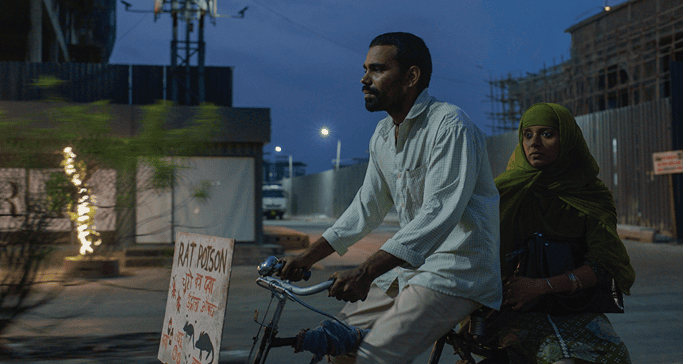
Interconnected with all of this are desire and romantic frustration, which drive the characters. Ameena tries to reach Karim, but cannot, because her husband does not seem to desire her — something we only fully understand later. The absence of affection drives her toward Omran, the author of the letter promising the touch and tenderness that life has never offered Ameena, although this is the result of a misunderstanding, since he mistakes her for a woman from his past. In this way, the direction seems to associate desire with water, which always finds a way to seep through and follow its course despite obstacles.
It is a fundamentally melodramatic structure, but one that relies on a staged spontaneity that I find particularly interesting. The scenes carry emotional intensity, even when we can see the strings pulling the characters from one place to another, or moving the story according to its social background and constructed conflicts. But unlike an outsider’s gaze, Roy does not turn poverty into spectacle (see, Danny Boyle?). She acknowledges it and still searches for some form of beauty or escape within the social landscape. The sound of the ocean waves, for example, fills the soundtrack and offers the viewer a release valve, even if only a sensory one, just as the characters themselves long to escape the social conditions that define them.
Ameena finds some form of escape because she chooses to desire. She is a woman who spends most of the narrative trying to be seen by a husband who cannot desire her, and her approach toward another man emerges from a frustration that has become unbearable. There is a kind of liberation through disillusionment. Unfortunately, Karim, by contrast, does not receive the same respite. His homosexuality is, for the society around him and apparently for the director as well, a desire that should not exist, and the result is a repression that pushes him even further toward the margins of his own existence, like the rats he hunts. He is repeatedly punished for desiring what society has decided he should not desire.
It is a shame that the director’s compassionate and empathetic gaze cannot reach all of the characters. Lovers in the Blue Night ultimately becomes more of the same in the way it deals with desire and dissidence, even though it knows how to document Mumbai’s contradictions without trying to solve or judge them. It is an imperfect film populated by imperfect characters, people who desire intensely but who, like us, do not always have their desires fulfilled or respected.

Crítico de cinema filiado a Critics Choice Association, à Associação Brasileira de Críticos de Cinema, a Online Film Critics Society e a Fipresci. Atuou no júri da 39ª Mostra Internacional de Cinema em São Paulo/SP, do 12º Fest Aruana em João Pessoa/PB, do 24º Tallinn Black Nights Film na Estônia, do 47º TIFF – Festival Internacional de Cinema em Toronto. Ministrante do Laboratório de Crítica Cinematográfica na 1ª Mostra Internacional de Cinema em São Luís (MA) e Professor Convidado do Curso Técnico em Cinema do Instituto Estadual do Maranhão (IEMA), na disciplina Crítica Cinematográfica. Concluiu o curso de Filmmaking da New York Film Academy, no Rio de Janeiro (RJ) em 2013. Participou como co-autor dos livros 100 melhores filmes brasileiros (Letramento, 2016), Documentário brasileiro: 100 filmes essenciais (Letramento, 2017) e Animação Brasileira – 100 Filmes Essenciais (Letramento, 2018). Criou o Cinema com Crítica em fevereiro de 2010 e o Clube do Crítico em junho de 2020.